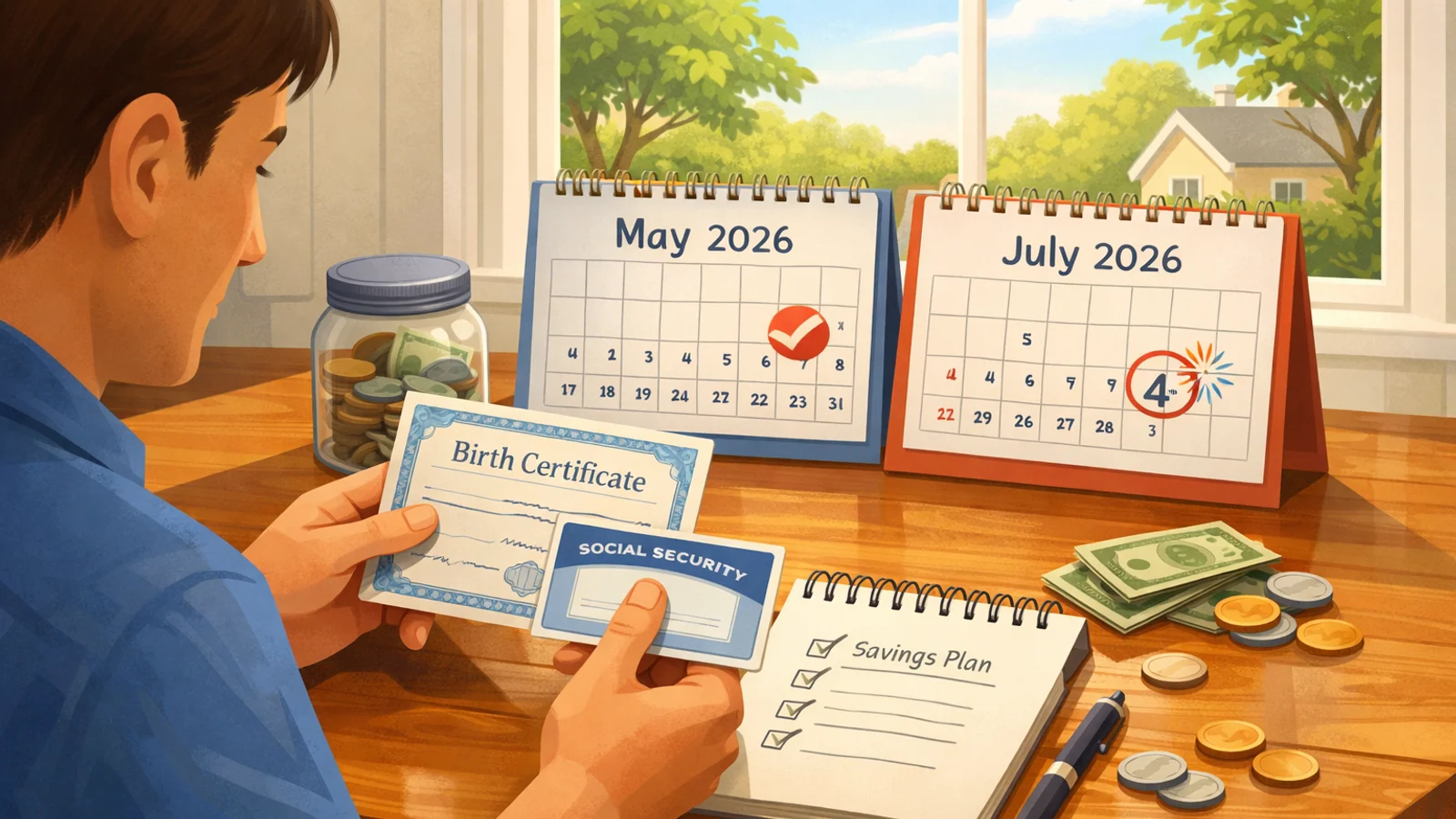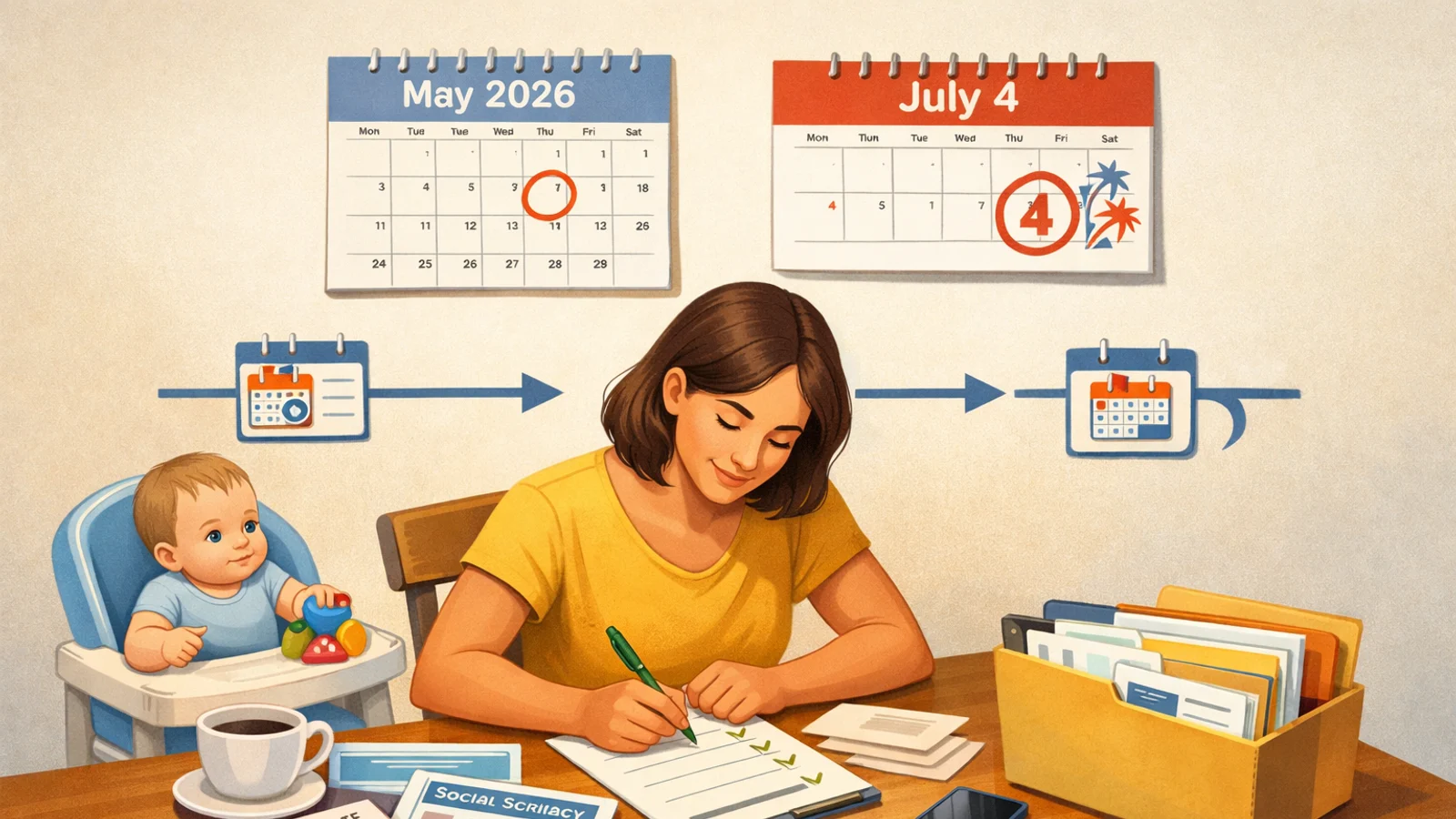
Parents have a lot of the same questions right now: Should I wait for the government account, open something else now, or plan to use both? For families following the 2026 rollout, the short answer is practical: prepare for the new federal child account process now, but do not put your broader savings plan on hold. Treasury and IRS guidance says activation information for initial accounts is expected to start going out in May 2026, and contributions cannot begin before July 4, 2026. The federal pilot contribution is described as a one-time $1,000 deposit for each eligible child after the required election is made and the account is confirmed open. (irs.gov)
The question parents are really asking in March 2026
Most families are not comparing account types in the abstract. They are trying to answer three practical questions:
- Is my child likely to be eligible?
- What should I do before May 2026?
- Should I keep using 529s, savings accounts, or custodial accounts too?
That framing matters because the 2026 federal rollout is on a fixed calendar. The IRS says activation communications are expected to begin in May 2026, an online tool is expected in the middle of 2026, and funding for these new accounts cannot start before July 4, 2026. (irs.gov)
What is new right now
The newest public guidance comes from Treasury and the IRS. In December 2025, the IRS announced guidance for these child accounts under the Working Families Tax Cuts rules, including how initial accounts, pilot contributions, later contributions, investments, and reporting are expected to work. Treasury has also publicly stated that early elections are already being made during the 2026 filing season, which suggests many parents are trying to get organized before the contribution window opens. (irs.gov)
For parents, the important update is not hype. It is timing:
- Election and activation come first.
- Activation notices are expected starting in May 2026.
- No contributions before July 4, 2026.
- The one-time federal $1,000 pilot deposit comes no earlier than July 4, 2026, after the election is made and the account is confirmed open. (irs.gov)
Compare the choices parents are weighing
Option 1: Wait only for the new federal child account
This is the simplest path administratively, but it can leave families underprepared.
Pros
- You stay aligned with the 2026 federal process.
- You may be positioned for the one-time federal contribution if your child is eligible and your election is completed properly.
- You avoid opening extra accounts you may not need immediately. (irs.gov)
Cons
- You may lose months of saving momentum while waiting for activation and contribution dates.
- You are relying on a new rollout with authentication, notices, and account-opening steps still being implemented.
- This approach may not match families that already save for education, emergencies, or long-term wealth in other vehicles.
Option 2: Keep your current savings plan and add the new account later
For many parents, this is the most practical approach.
Pros
- You do not pause progress while waiting for May 2026 notices and the July 4, 2026 contribution start date.
- You can continue using tools that already fit your goals, such as a 529 for education-focused saving or a regular savings account for flexibility.
- You can decide later how the new child account fits into your broader plan.
Cons
- You may end up managing multiple accounts.
- Different account types can have different tax, ownership, and withdrawal rules, so organization matters.
Option 3: Build a “layered” plan
This is often what thoughtful families end up doing: one account for long-term child wealth, one for education, and one for short-term flexibility.
A layered setup might look like this:
- Federal child account: long-term savings tied to the 2026 rollout
- 529 plan: education-focused savings
- High-yield savings account: near-term child expenses or family flexibility
That does not mean every family needs three accounts. It means parents should match each dollar to a purpose instead of expecting one account to solve every need.
A simple planning checklist for parents before May 2026
If you want to be ready without overcomplicating things, focus on these steps now:
1. Confirm your child’s records are organized
Have the basics ready:
- Child’s legal name
- Date of birth
- Social Security number or taxpayer identification details, if applicable
- Parent or guardian filing information
- Current mailing address and contact details
The federal process is expected to involve an election plus an authentication and activation step, so clean records should help. (irs.gov)
2. Watch for official activation instructions starting in May 2026
The IRS guidance says Treasury or its agent will send activation information starting in May 2026 to the person who made the election. That means parents should pay attention to official notices and avoid relying on social posts or unofficial summaries. (irs.gov)
3. Set expectations about timing
Even if you complete steps quickly, the published guidance says the federal pilot contribution is made no earlier than July 4, 2026, and only after the election is made and the account is confirmed open. That is important for budgeting: this is not March 2026 money. (irs.gov)
4. Decide what job this account should do in your family plan
Ask:
- Is this for long-term wealth building?
- Is college saving already covered elsewhere?
- Do grandparents want to help?
- Would employer contributions matter for your household later in 2026 or beyond?
IRS guidance and 2026 IRS instructions also describe employer contribution rules beginning July 4, 2026, which may matter more for some families than for others. (irs.gov)
The biggest parent questions right now
“Should I stop contributing to my 529?”
Usually, no. If your 529 already fits your education goal, there is no clear reason to freeze that plan just because a new federal child account is rolling out. These accounts are not automatically interchangeable. A practical approach is to keep the education plan running if it still matches your goal, then decide later whether the new child account fills a different role.
“Do I need to do something before July 4, 2026?”
Yes: get organized before then. The key window appears to be before contributions open, not after. Since activation information is expected starting in May 2026, parents who wait until midsummer may be rushing through an unfamiliar process. (irs.gov)
“Can family or employers contribute right away?”
Not before July 4, 2026. Treasury and IRS guidance is explicit that contributions cannot be made before that date. (irs.gov)
“Will the government automatically do everything for me?”
Parents should not assume that. Current guidance describes an election, activation, and authentication process. In plain English: families should expect some action steps, not a fully passive experience. (irs.gov)
A sensible KidTrustFund takeaway for March 18, 2026
If you are a parent trying to make the smart move today, the best comparison is not new account versus no account. It is waiting passively versus preparing early while keeping your current plan working.
A practical March 2026 approach is:
- Keep existing savings goals on track if they still fit your family
- Organize identity and filing details now
- Watch for activation notices around May 2026
- Plan around July 4, 2026 as the first real contribution date
- Treat the federal account as one part of a child savings strategy, not the whole strategy (irs.gov)
KidTrustFund is not a government agency, and families should use official federal guidance for enrollment and rule details. But for parents trying to plan ahead, the message is simple: do not wait to get organized just because funding starts later. In 2026, preparation before May and July is what gives families the smoothest path.