A practical parent guide to KidTrustFund in 2026
If you have been hearing about new child investment accounts in 2026, the biggest parent question is simple: what should I do now, and what should I wait on?
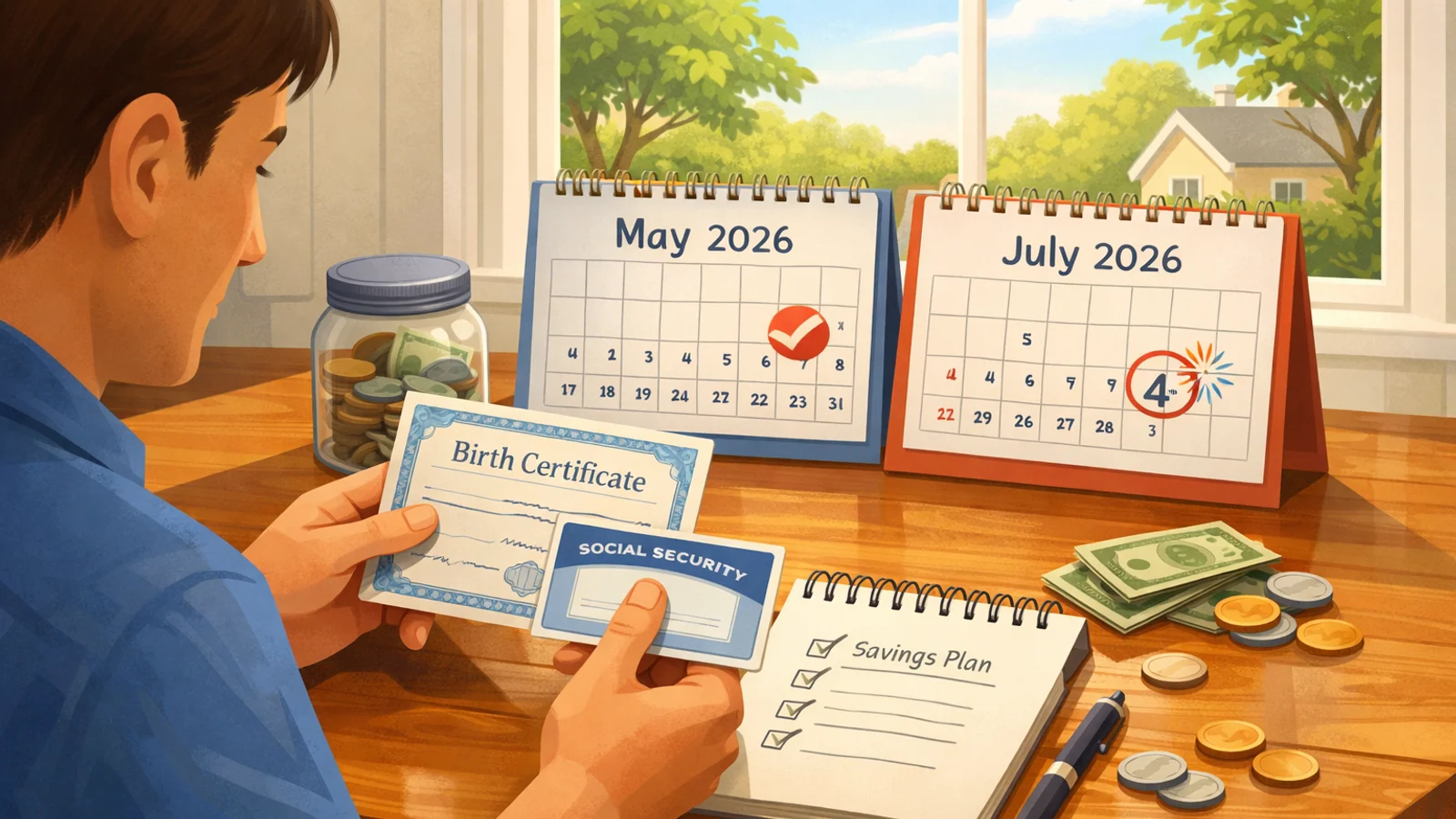
For KidTrustFund readers, the practical answer is this: treat 2026 as a setup year. Confirm whether your child is eligible, organize your paperwork, decide how much you may want to contribute later, and avoid rushing into assumptions before your activation notice arrives. Public information from the White House and Treasury says activation information is expected to begin going out around May 2026, and contributions are expected to start on July 4, 2026. (whitehouse.gov)
KidTrustFund is not a government agency. We help families understand the timeline, compare options, and prepare questions so they can make clearer decisions.
What is new right now for parents
The biggest current development is that the 2026 rollout has moved from broad policy talk to concrete implementation details. Public administration materials say eligible children born between January 1, 2025 and December 31, 2028 can receive a $1,000 federal seed contribution if an account is established for them. Treasury has also described these accounts as invested in qualifying broad U.S. stock index funds, with family contributions scheduled to begin on July 4, 2026. (whitehouse.gov)
For many parents, that changes the conversation from “Is this real?” to “How do I prepare without making mistakes?” That is where a planning checklist matters most.
The questions parents are asking most in March 2026
1. Do I need to do anything before May 2026?
Probably yes, but mostly administrative prep. Treasury and White House materials indicate that after an election is made, families should expect account activation information beginning in May 2026. That means now is a good time to gather the child’s identifying records, confirm who will handle the account, and watch for official notices rather than relying on social posts or secondhand summaries. (whitehouse.gov)
2. When can money actually go in?
Current public guidance says contributions are expected to begin on July 4, 2026. If you are building a family savings plan, use that date instead of assuming you can fund the account immediately in March or April 2026. (whitehouse.gov)
3. How much can families contribute?
Current administration materials say the annual contribution limit is $5,000 per child, with cost-of-living increases after 2027, and separate rules may apply to certain charitable or government contributions. Employer contributions of up to $2,500 per year are also described in White House materials as excluded from employee income under the program rules discussed there. (whitehouse.gov)
4. What can the money be used for later?
A Congressional Research Service overview describes proposed and enacted child savings account structures in this area as allowing qualified use for things like higher education, certain credentialing expenses, a first home, or business-startup purposes, with restrictions and tax consequences for nonqualified withdrawals. Exact rules matter, so parents should wait for the operative account documents and IRS/Treasury instructions before treating any use as guaranteed. (congress.gov)
5. Is this better than a 529 or custodial account?
Not automatically. For many households, the better question is whether this should sit alongside existing savings tools instead of replacing them. A 529 may still be more familiar for education-focused saving, while custodial accounts can offer different flexibility and control tradeoffs. The CFPB’s child savings account research also notes that market-based accounts can involve risk, especially over shorter periods. (files.consumerfinance.gov)
A simple planning approach for families
Here is a practical way to approach the next few months.
Step 1: Confirm likely eligibility
Start with your child’s birth date and basic household records. Based on current public descriptions, the core birth-date window discussed by Treasury and the White House is January 1, 2025 through December 31, 2028 for the federal seed contribution. If your child was born outside that window, do not assume the same benefit applies. (home.treasury.gov)
Step 2: Prepare for the May 2026 activation phase
Create one folder, digital or paper, with:
- child’s birth certificate
- Social Security information
- parent or guardian ID
- current mailing address
- tax filing records related to the child, if applicable
- any notice you receive about account election or activation
The goal is not to overcomplicate it. The goal is to be ready when the activation process begins around May 2026. (whitehouse.gov)
Step 3: Decide on a starting contribution number now
Before contributions open on July 4, 2026, pick a realistic monthly or annual amount.
Examples:
- $25 a month if you want a low-stress start
- $100 a month if grandparents may also help
- one annual birthday contribution if cash flow is uneven
- a “raise rule,” where you increase the amount after each pay bump
The point is consistency, not perfection.
Step 4: Coordinate with your other child-saving accounts
If you already use a 529, UTMA, UGMA, or plain savings account, map out what each account is for.
A simple framework:
- New 2026 account: long-term invested money with program-specific rules
- 529: education-first money
- Cash savings: near-term child expenses or emergency flexibility
- Custodial account: broader gifting/investing strategy, if that fits your plan
This helps prevent duplicate contributions and confused expectations.
Step 5: Watch for official instructions, not guesses
This program is still in rollout mode. That means forms, operational guidance, servicing details, and account-opening workflows may become clearer over time. Treasury has already referred publicly to an election and later activation flow, which suggests families should expect process details to matter. (whitehouse.gov)
Common mistakes to avoid
Assuming contributions are open now
As of March 20, 2026, the public timeline points to contributions beginning on July 4, 2026, not earlier. (whitehouse.gov)
Treating projected growth as guaranteed
White House materials include account growth illustrations, but those are estimates based on assumptions, not promises. Market-based investing can go up or down. (whitehouse.gov)
Replacing all other child savings with one new account
For many parents, a mixed strategy is safer and more practical than an all-in move.
Missing paperwork windows
If activation notices begin around May 2026, families who are disorganized may lose time fixing address, identity, or record issues. (whitehouse.gov)
What KidTrustFund recommends right now
For most parents, the best March 2026 plan is:
- Check eligibility basics using your child’s date of birth.
- Organize records now so May 2026 is easier.
- Set a contribution target before July 4, 2026.
- Keep existing savings accounts in view instead of making a rushed switch.
- Wait for official instructions before acting on detailed tax or withdrawal assumptions.
That approach keeps you prepared without pretending every operational detail is already final.
Bottom line
The 2026 child account rollout is now concrete enough for parents to plan around real dates. The two dates that matter most right now are May 2026 for expected activation information and July 4, 2026 for expected contribution start dates. Families who use spring 2026 to get organized will be in a much better position than families who wait until notices arrive. (whitehouse.gov)
KidTrustFund’s role is simple: help parents turn a confusing policy rollout into a practical family checklist.