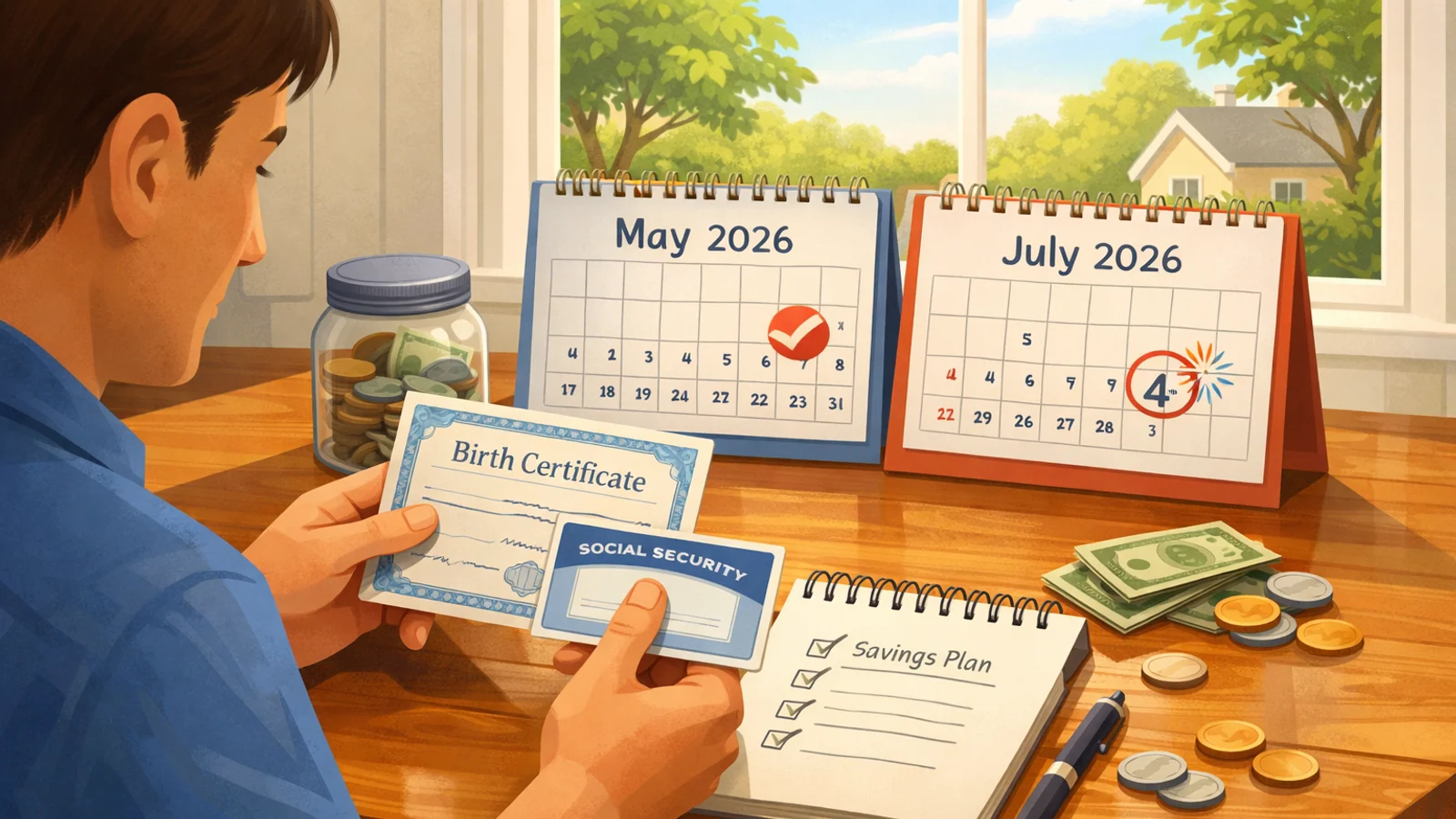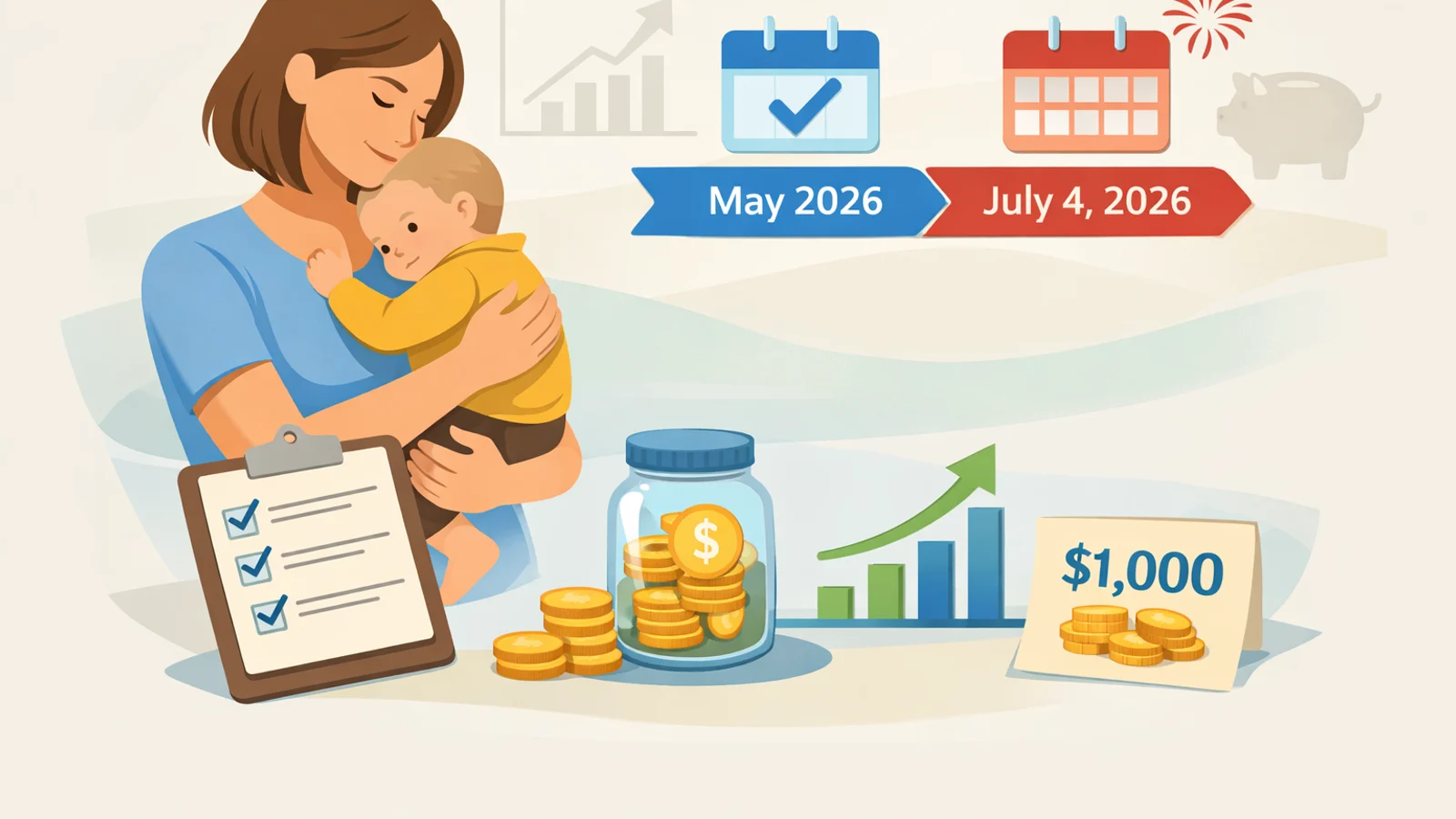
Parents have a lot of practical questions right now about the new child investment account rollout often called a “Trump Account.” For KidTrustFund readers, the most useful takeaway is simple: the program is moving from policy headlines into setup details, but the key dates still matter. Treasury/IRS guidance says activation notices are expected to start around May 2026, while private contributions cannot begin before July 4, 2026. (irs.gov)
What changed in March 2026
On March 6, 2026, the IRS and Treasury released proposed regulations on two important pieces of the rollout: how initial accounts can be opened, and how the government’s one-time $1,000 pilot contribution works for eligible children. That matters because families now have more concrete information about who needs to act, what the election process looks like, and when the government deposit may be made. (irs.gov)
For eligible children, the $1,000 government contribution is tied to an election process. IRS guidance says the deposit will be made no earlier than July 4, 2026, after the election is made and Treasury can confirm that the initial account has been opened with a trustee. (irs.gov)
The questions parents are asking now
1) Does my child qualify?
According to IRS and White House materials, the main federal pilot contribution applies to a child born from January 1, 2025 through December 31, 2028, who is a U.S. citizen and has a valid Social Security number. Parents, guardians, or other authorized individuals may establish the account for an eligible child. (irs.gov)
2) When will I actually be able to do something?
There are really two stages:
- Activation/setup stage: Treasury materials referenced in IRS instructions say the authentication and activation process is expected to begin with notices sent starting in May 2026. (irs.gov)
- Funding stage: Regular contributions from parents, relatives, friends, or employers cannot be accepted before July 4, 2026. (irs.gov)
That means many families may be able to prepare or activate first, then fund later.
3) How much can be contributed?
Current federal guidance says the annual contribution limit is $5,000 total per child, with inflation adjustments after 2027. Employer contributions may count toward that annual cap, although certain employer contributions of up to $2,500 per year may be excluded from the employee’s income under the rules described by IRS guidance. (whitehouse.gov)
4) How is the money invested?
The law limits these accounts to broad U.S. equity index funds that track the overall U.S. stock market, cannot use leverage, and must stay under a stated fee cap. That means parents should expect a simple, long-term stock index structure rather than a menu of specialized investments. (whitehouse.gov)
A practical parent checklist for spring 2026
If you are trying to stay organized, here is the most practical plan right now:
- Confirm eligibility basics for your child: birth date window, U.S. citizenship status, and Social Security number. (irs.gov)
- Watch for activation information around May 2026. IRS instructions say Treasury or its agent will begin sending information starting in May 2026. (irs.gov)
- Do not expect to fund the account before July 4, 2026. Even if setup happens earlier, contributions must wait until that date. (irs.gov)
- Decide who may contribute. Current guidance says possible contributors can include parents, grandparents, family members, friends, employers, and in some cases charities or government entities for qualified groups. (whitehouse.gov)
- Set a family contribution rule now. For example: monthly gifting, birthday-only gifts, or a grandparent match. This is a planning step, not a legal or tax recommendation.
- Keep records. Because the rules are new and still being implemented, save confirmations, elections, and contribution records once the system opens. This is a practical precaution based on the ongoing rollout described by Treasury and IRS. (irs.gov)
What parents should not assume
A few things are still easy to misunderstand:
- Setup is not the same as funding. Activation may start around May 2026, but contributions still begin July 4, 2026 at the earliest. (irs.gov)
- The $1,000 government contribution is not automatic in every case. IRS guidance describes an election process for eligible children. (irs.gov)
- Rules are still being finalized. The March 6, 2026 releases are proposed regulations and implementation guidance, which means some operational details may continue to evolve. (irs.gov)
The KidTrustFund view for parents
For most families, the smartest move in March 2026 is not to rush into assumptions. It is to prepare for a two-step rollout: watch for account activation materials around May 2026, then be ready for contributions starting July 4, 2026. If your child appears eligible, this spring is a good time to gather documents, decide who in the family may contribute, and set a realistic savings habit before the funding window opens. (irs.gov)
KidTrustFund is an informational brand, not a government agency, tax advisor, or legal authority. Parents should use official IRS or Treasury materials for program actions and consider professional advice for tax or legal questions.