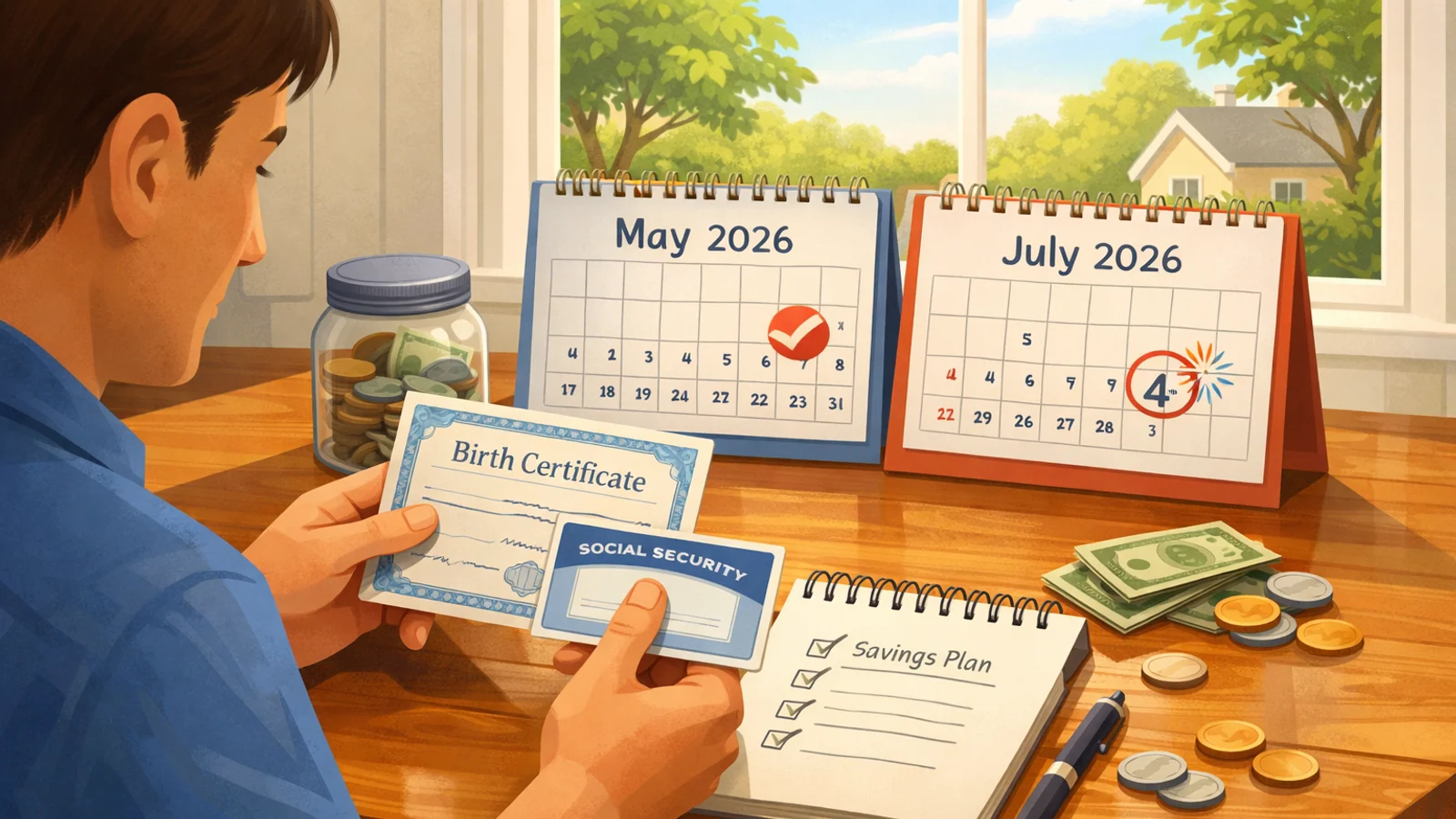
Parents have a lot of the same questions right now about the new federal child savings account rollout: Who qualifies, when do accounts actually start, and what should families do before money can go in? The short version is that the IRS has released initial guidance, the election process is already taking shape through Form 4547, activation details are expected around May 2026, and contributions are not scheduled to begin until July 4, 2026. (irs.gov)
The biggest question parents are asking: "Do I need to do anything now?"
For many families, the practical answer is yes. If your child may be eligible for the federal pilot contribution, waiting until summer could mean more stress and more paperwork all at once. Current IRS guidance says the new election process uses Form 4547 to establish the account election for an eligible child, and reporting around the rollout indicates families who sign up should receive follow-up information around May 2026 on how to complete activation. (irs.gov)
That does not mean parents can fund the account yet. The IRS has said contributions cannot be made before July 4, 2026. (irs.gov)
Who may qualify for the federal $1,000 pilot contribution?
Based on current IRS guidance, the pilot contribution is tied to children who are:
- U.S. citizens
- born from January 1, 2025, through December 31, 2028
- properly elected into the program through the required process
The Treasury Department has said it will make a one-time $1,000 pilot contribution for each eligible child for whom an election is made. (irs.gov)
If your child was born before January 1, 2025, that child generally is not in the federal pilot window for the $1,000 government contribution, even though broader account-related discussions and private funding efforts have gotten a lot of media attention. (irs.gov)
What parents should do between now and July 4, 2026
Here is the practical checklist:
- Confirm your child’s basic eligibility. Check birth date, citizenship status, and whether you have the identifying information you will need for filing and follow-up.
- Watch for Form 4547 instructions. The IRS has already tied the election process to this form. (irs.gov)
- Look for activation communications around May 2026. That appears to be the key timing window for next-step instructions before accounts begin accepting contributions. (apnews.com)
- Set your family contribution plan now. Even if you start with a small amount, decide in advance whether you want to contribute monthly, quarterly, or only on birthdays and holidays.
- Coordinate with grandparents or other supporters. If relatives want to help, this is a good time to explain that the account may not accept contributions until July 4, 2026. (irs.gov)
- Keep expectations realistic. Rules can still be clarified further through guidance and implementation details.
What can families contribute, and when?
The current public guidance says contributions are not allowed before July 4, 2026. Reporting and government materials also indicate families may be able to contribute up to $5,000 per year initially, with separate rules discussed for employer contributions in some cases. (irs.gov)
Because this is a new program, parents should treat the current rollout as an implementation period rather than assume every account feature will work the same way on day one. That is one reason many families are focusing first on eligibility, paperwork, and timing instead of investment decisions. This is an inference based on the IRS rollout sequence and the staged contribution start date. (irs.gov)
The comparison parents are really making right now
Most families are comparing two choices:
Option 1: Wait and deal with it in summer 2026
Pros:
- Less time spent thinking about a new program now
Cons:
- Higher chance of last-minute confusion
- More risk of missing notices or paperwork steps
- Harder to coordinate family contributions quickly
Option 2: Prepare now and activate when instructions arrive
Pros:
- Easier to confirm eligibility early
- Better chance of being ready when activation details arrive around May 2026
- More time to build a contribution plan before July 4, 2026
Cons:
- Requires some early organization
For most parents, prepare now is the simpler path.
Where KidTrustFund fits
KidTrustFund is not a government agency, and it does not replace IRS instructions, tax advice, or legal guidance. What it can do is help parents organize the real-world side of the rollout: eligibility questions, planning steps, family contribution coordination, and timing around the May 2026 activation window and July 4, 2026 contribution start.
Bottom line
If you have a child born between January 1, 2025 and December 31, 2028, this is the time to pay attention. The key dates parents should keep in mind are:
- Around May 2026: expected activation and follow-up instructions
- July 4, 2026: contributions are scheduled to begin
The best next move is simple: verify eligibility, watch for Form 4547 and related instructions, and make a small family plan now so you are not scrambling later. (irs.gov)