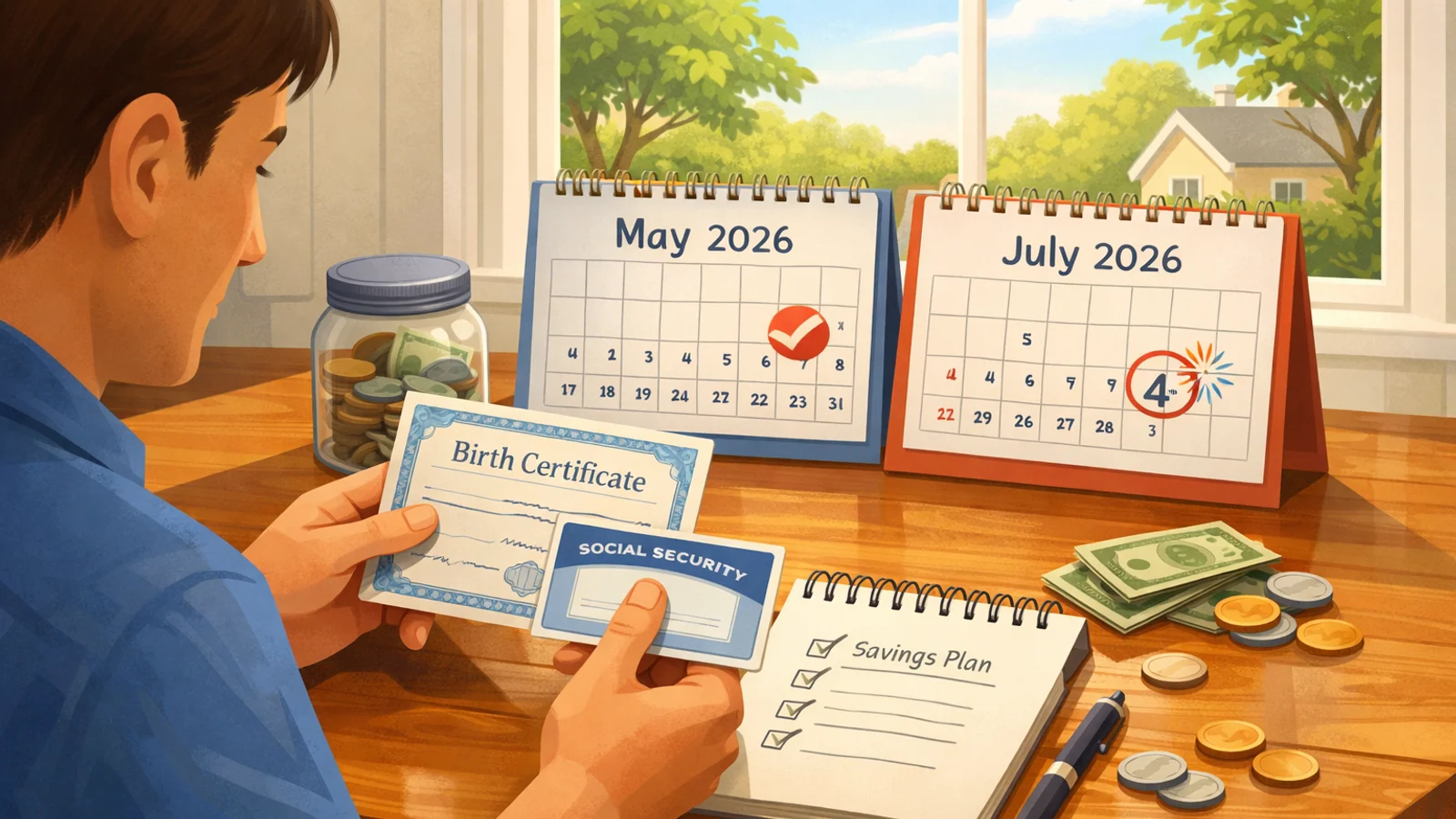
Parents are asking a practical question right now: what should we actually do before KidTrustFund-style child accounts can be funded in 2026? Public guidance is getting clearer, but the timeline still matters. The IRS says these new child accounts cannot accept contributions before July 4, 2026, and Treasury/IRS guidance says the federal $1,000 pilot contribution is tied to eligible children and will be deposited no earlier than July 4, 2026 after the election is made and the account is confirmed open. (irs.gov)
What parents are comparing right now
Most families are weighing three options:
- Wait for the new child account rollout and get paperwork ready now.
- Keep using current savings tools like 529 plans, cash savings, or other family savings habits while waiting.
- Do both: prepare for the 2026 rollout while continuing your existing plan.
That third option is usually the most practical. Based on current IRS guidance, the main near-term issue is not whether contributions can start now—they cannot—but whether your family will be ready to act once account opening and funding windows are live in 2026. (irs.gov)
The dates that matter
Here are the key dates parents should keep straight:
- December 2, 2025: Treasury and the IRS issued initial public guidance through Notice 2025-68. (irs.gov)
- Around May 2026: activation notices and rollout communications are expected around this period, based on the current 2026 rollout timeline used by KidTrustFund planning content.
- July 4, 2026: contributions cannot be made before this date. (irs.gov)
- After July 4, 2026: the Treasury pilot contribution process and related online application steps are expected to become available in the middle of 2026 or after July 4, 2026. (irs.gov)
For families, the main takeaway is simple: March through June 2026 is preparation time; July 4, 2026 and after is action time. That is an inference from the IRS timeline and bulletin language. (irs.gov)
Current top parent questions
1) Can I open or fund one today?
Not for funding. Current IRS guidance says contributions cannot be made before July 4, 2026. Some administrative steps may come online earlier or around mid-2026, but actual funding is blocked until that date. (irs.gov)
2) Which children may qualify for the federal $1,000 pilot contribution?
The IRS says a $1,000 pilot program contribution is available for eligible children, and IRS public materials state that children born from January 1, 2025, through December 31, 2028 who are U.S. citizens may qualify, subject to the program rules and election requirements. (irs.gov)
3) Do parents need to do something, or is it automatic?
Current guidance indicates an election generally must be made by a parent, guardian, or other authorized person to establish the account for an eligible child. In other words, families should not assume everything will happen automatically without paperwork or an account-opening step. (irs.gov)
4) How much can families contribute?
A Congressional Research Service summary of the law says contributors may put in up to $5,000 per year, adjusted for inflation after 2027, and that contributions begin in 2026. IRS bulletin language also discusses annual contribution limits and special treatment for pilot, rollover, and certain other contribution types. (congress.gov)
5) Should we stop using our 529 or other savings accounts?
Not necessarily. For many parents, this is not an either-or decision. Since new child accounts cannot be funded until July 4, 2026, families that are already saving for education or long-term goals may want to continue their current system while they prepare for the new option. That is a planning observation, not tax or investment advice. (irs.gov)
A simple March 2026 checklist for parents
If you want to be ready without overcomplicating it, focus on these steps now:
-
Confirm your child’s documents
- Social Security number
- Legal name exactly as used on official records
- Date of birth
- Citizenship documents if needed for eligibility review
-
Decide who will handle the account setup
- Parent
- Guardian
- Another authorized adult
-
Watch for rollout notices around May 2026
- Look for account-opening instructions
- Check whether a pilot contribution election is part of the same process
- Be ready for an online application or similar workflow after rollout communications begin
-
Make a July 2026 funding plan now
- Decide whether you want to contribute immediately after July 4, 2026
- Set a starter amount your household can actually sustain
- If grandparents or relatives want to help, discuss the plan early
-
Keep your current savings routine going
- If you already use automatic transfers or a college savings plan, you do not need to pause everything while waiting for the 2026 launch
Best practical approach for most families
For most parents, the best approach right now is:
- Prepare paperwork in spring 2026
- Look for activation-related notices around May 2026
- Plan for first contributions on or after July 4, 2026
- Keep current savings habits in place until then
That approach fits the public guidance available today and avoids the two biggest mistakes: waiting too long to prepare, or assuming funding can begin before it legally can. (irs.gov)
Where KidTrustFund fits
KidTrustFund is a parent-help brand focused on making this rollout easier to understand. It is not a government agency, and families should still review official IRS or Treasury guidance before making account, tax, or legal decisions. The useful role for a brand like KidTrustFund is practical: helping parents track deadlines, gather documents, compare options, and avoid missing the first real funding window in July 2026. (irs.gov)
Bottom line
As of March 18, 2026, the clearest public answer is this: get ready now, but do not expect to fund these accounts before July 4, 2026. If your child may qualify for the pilot contribution, this spring is the time to organize records and watch for activation-related updates around May 2026 so you are ready when funding opens. (irs.gov)