Parents have a lot of questions right now about the new child account rollout, and March 2026 is an awkward in-between moment: enrollment is underway, but contributions have not started yet. For KidTrustFund families, that makes this a good time to separate what is available now from what is expected next.
What is happening right now
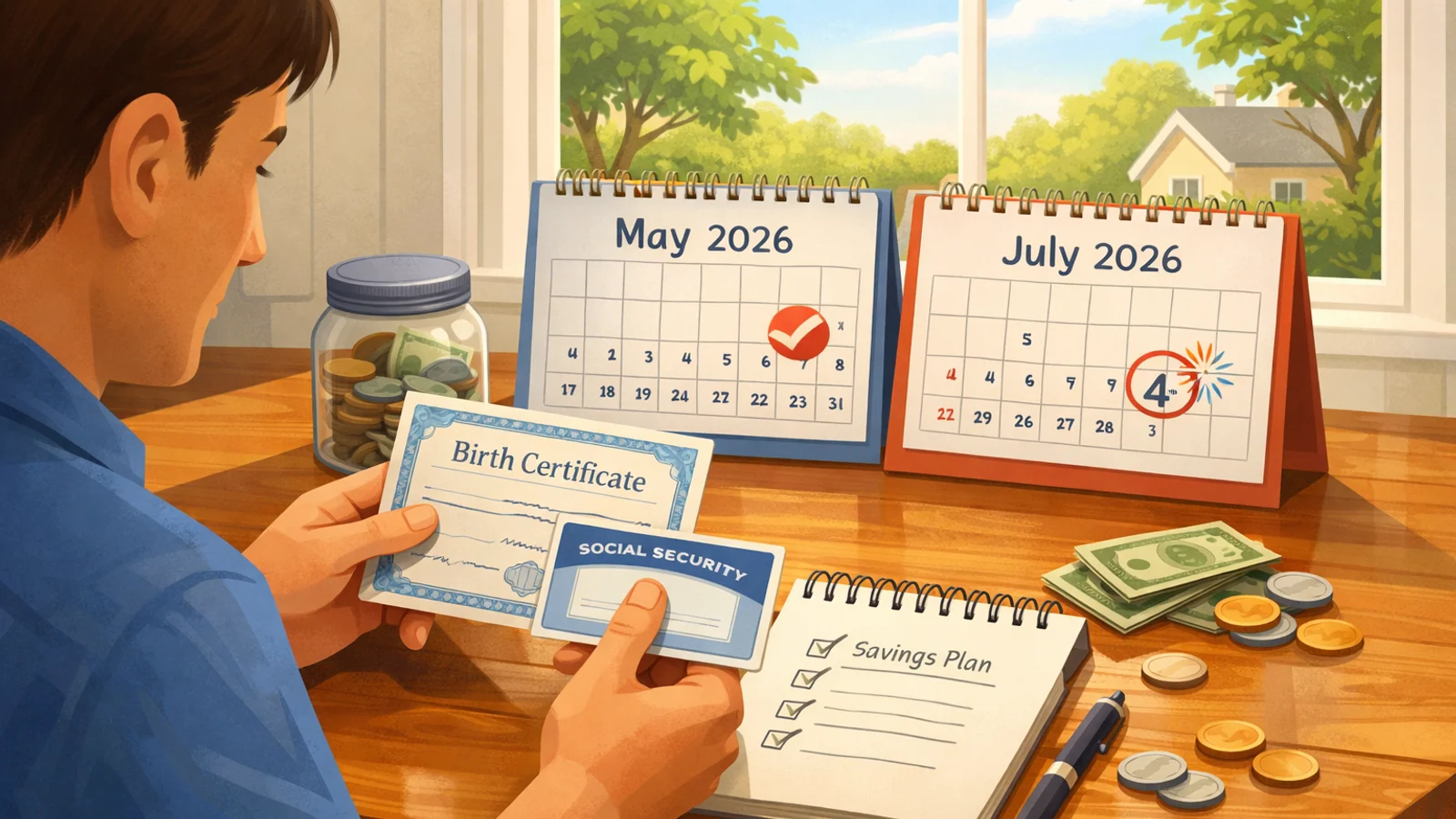
As of March 18, 2026, eligible families can begin the setup process for the new federal child account program by filing IRS Form 4547. Public guidance says the next major step is activation information around May 2026, and the accounts are not scheduled to accept contributions before July 4, 2026. (irs.gov)
That timing matters because many parents assume that filing the form means the account is already funded or ready to receive money. It does not. The current public guidance points to a phased rollout:
- Now through tax filing season: families file the election form.
- Around May 2026: activation notices and follow-up instructions are expected.
- Starting July 4, 2026: contributions can begin. (irs.gov)
The questions parents are asking most
1) “Do I need to do anything now?”
If your child appears eligible, the practical move is to gather documents and confirm whether you plan to file the required form with your 2025 federal return. Reporting across official and major news sources indicates that parents or guardians need to make that election to establish the account. (irs.gov)
2) “Can grandparents or friends contribute yet?”
Not yet. The clearest public guidance says contributions cannot be made before July 4, 2026. That includes family contributions and, under the new rules, employer-related contributions as well. (irs.gov)
3) “How much can go in?”
Current public materials say annual contributions are expected to be capped at $5,000 per child per year, with employer contributions able to count toward that overall limit. IRS guidance also describes employer contributions of up to $2,500 per year under an employer contribution program, subject to the broader annual cap. (irs.gov)
4) “Who is eligible for the federal seed money?”
Recent Treasury and White House materials describe the federally funded starter deposit as applying to children born between January 1, 2025, and December 31, 2028, if an account is established for an eligible child. Families should still review the official eligibility rules carefully, because details such as citizenship, documentation, and filing requirements can matter. (home.treasury.gov)
5) “Should we wait, or start planning now?”
Planning now is usually the better move. Even though money cannot go in until July 4, 2026, families can still decide who will contribute, how much they want to target monthly, and what account paperwork they may need to finish once activation instructions arrive in May 2026. That can reduce last-minute confusion. (irs.gov)
A practical March 2026 checklist for parents
Here is the simplest version of what to do now:
-
Confirm your child’s basic eligibility window. Check birth date first, because that is the fastest screen. Current public guidance points to births from January 1, 2025 through December 31, 2028 for the federal seed deposit program. (home.treasury.gov)
-
Review your tax filing plan for 2025. If Form 4547 is part of the process for your family, do not leave that decision until the last minute. Official IRS guidance and major reporting both point parents to that form as the opening step. (irs.gov)
-
Make a contribution plan before contributions open. Decide whether you want to fund monthly, quarterly, or through occasional gifts. The start date discussed publicly is July 4, 2026, not earlier. (irs.gov)
-
Ask your employer about benefits. Treasury guidance allows for employer contribution programs, and some employers have already publicly discussed matching or contribution support. Availability will vary by company, so families should verify directly with HR. (irs.gov)
-
Watch for activation notices around May 2026. This is the next date many families should circle. Filing early does not eliminate the need to watch for follow-up instructions. (irs.gov)
Where KidTrustFund fits in
KidTrustFund is not a government agency, and it does not replace official filing or account-opening requirements. What families often need in a rollout like this is a practical home base: a place to track deadlines, organize who plans to contribute, and avoid missing the handoff between tax filing, May 2026 activation, and July 4, 2026 contributions. The brand’s public site positions it as a parent-facing platform for helping families organize a child’s long-term savings support. (kidtrustfund.com)
The main takeaway
For parents, the biggest mistake right now is assuming the program is fully live because it has been announced widely. It is more accurate to think of March 18, 2026 as a setup window. The likely next milestones are activation around May 2026 and the first allowed contributions on July 4, 2026. If you use this period to get organized, you will be in a better position when the process becomes more active this summer. (irs.gov)