Parents have a lot of the same questions right now about the new child investment account rollout. Here is a practical guide to what appears to matter most as of March 19, 2026.
What parents are asking right now
The biggest questions are simple:
- Is my child eligible?
- When can I open an account?
- When does the $1,000 government contribution happen?
- Can family or employers add money?
- What should I do now if contributions cannot start yet?
Based on current IRS and Treasury guidance, parents, guardians, and other authorized individuals can establish these accounts for eligible children, and the public rollout is moving in stages. IRS materials say the online tool is expected in the middle of 2026, while official filing materials already describe an authentication and opening process tied to Form 4547. (irs.gov)
The dates that matter in 2026
For families trying to plan, two dates matter most:
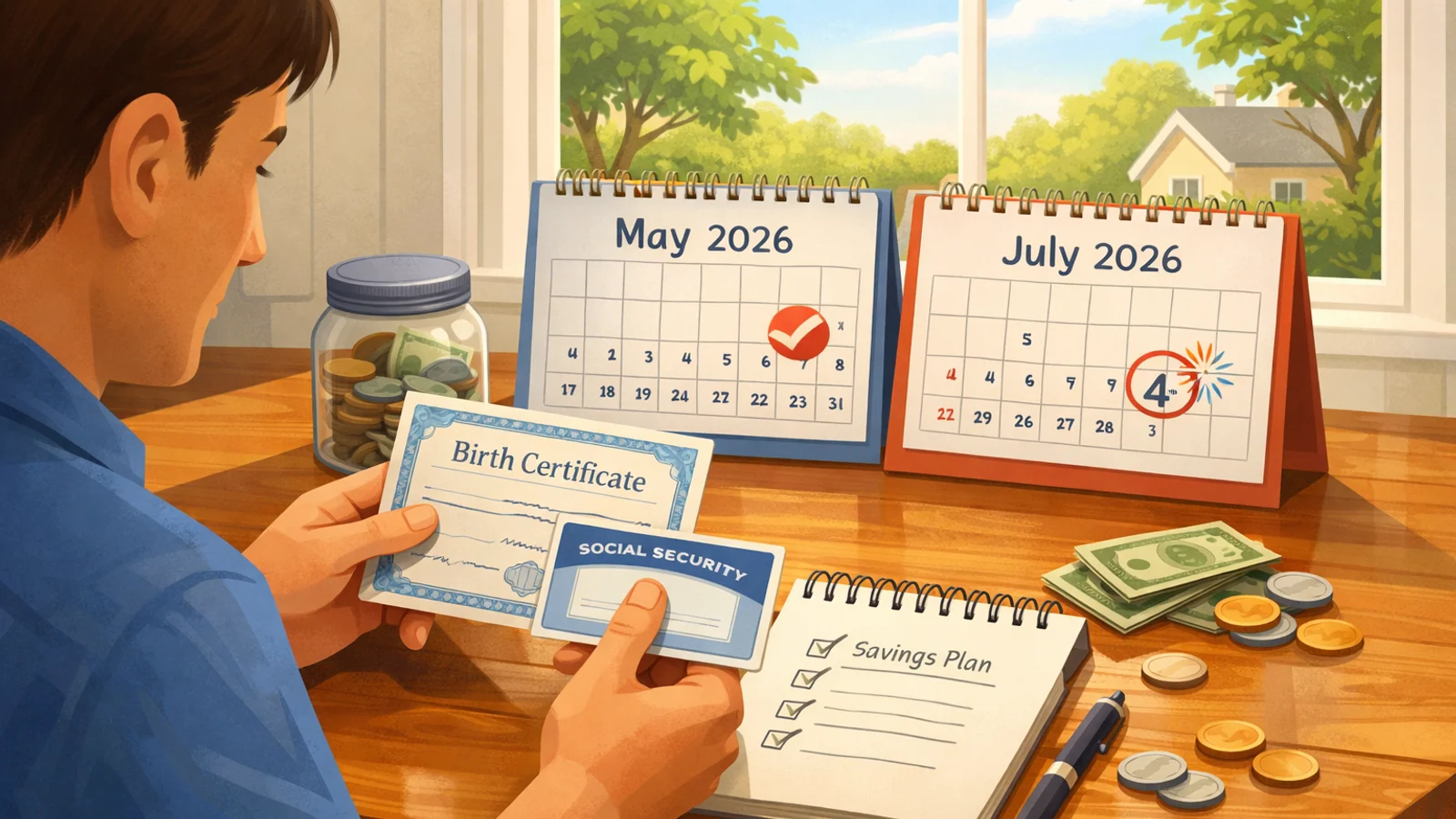
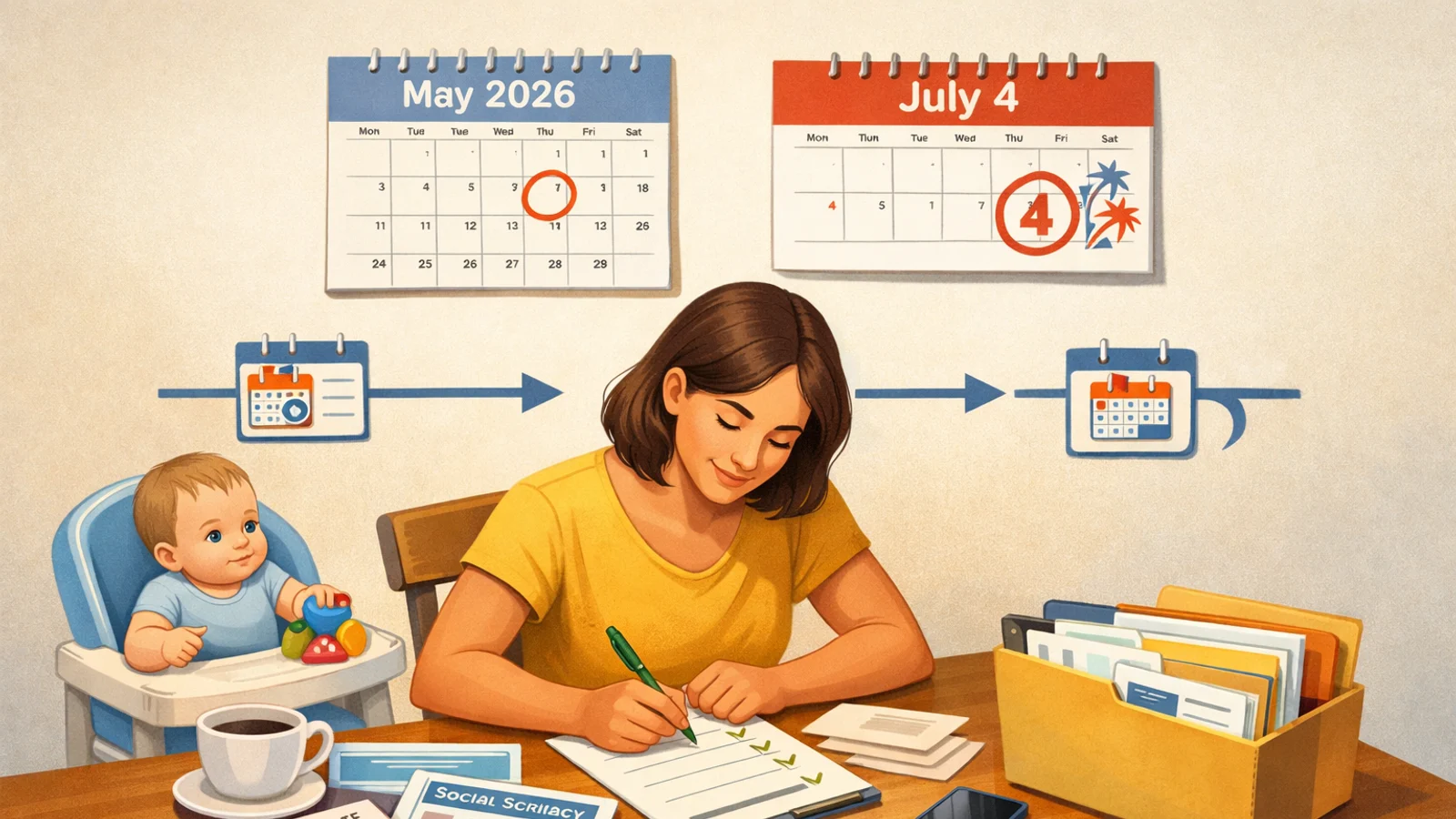
- Around May 2026: activation notices and account-opening steps are expected to start appearing as the rollout expands.
- July 4, 2026: contributions are scheduled to begin.
That July 4 date is repeated across IRS guidance and proposed regulations. Current IRS materials say contributions cannot be accepted before July 4, 2026, and pilot-program deposits for eligible children also will not be made earlier than that date. (irs.gov)
Who appears eligible
Current IRS guidance says the pilot-program contribution is generally tied to children who:
- were born from January 1, 2025 through December 31, 2028,
- are U.S. citizens,
- have a valid Social Security number, and
- have a proper election made by an authorized individual. (irs.gov)
Separate IRS and White House materials also indicate that children under 18 may be able to have these accounts opened even if they are not in the pilot group for the one-time government contribution, but the $1,000 pilot contribution is described for the 2025–2028 birth window. (irs.gov)
What parents can do before July 4, 2026
Even though contributions are not supposed to start until July 4, 2026, families can still prepare now.
1. Confirm your child’s documents
Make sure you have:
- your child’s legal name,
- Social Security number,
- date of birth,
- your own identifying information, and
- any records needed to show you are the authorized individual.
IRS instructions for Form 4547 make clear that identity verification and account activation are part of the opening process. (irs.gov)
2. Watch for the activation window
If you are planning to use KidTrustFund to help you stay organized, the useful period to pay attention to is around May 2026, when activation notices and opening workflows are expected to become more visible. That timing lines up with IRS statements that an online tool should be available mid-2026. (irs.gov)
3. Build your contribution plan now
You cannot fund early, but you can decide:
- whether you want to contribute monthly or annually after July 4, 2026,
- whether grandparents or relatives may want to help,
- whether your employer offers or may offer a contribution program, and
- how much fits your household budget.
Current IRS guidance says the annual contribution limit is $5,000 total per child, with inflation adjustments after 2027, and employer contributions of up to $2,500 per year may have separate tax treatment rules under employer programs. (whitehouse.gov)
Can grandparents, friends, or employers contribute?
According to current federal guidance, yes—once contributions open.
IRS and White House materials say contributions may come from:
- parents or guardians,
- grandparents,
- family friends,
- employers, and
- in some cases charitable organizations or government entities for qualifying groups. (whitehouse.gov)
The practical point for parents is this: if other people want to help your child, it makes sense to talk now about who plans to contribute and when, but not to assume any funds can go in before July 4, 2026. (irs.gov)
How these accounts are invested
Current public guidance says these accounts are restricted to broad U.S. equity index funds that track the overall U.S. stock market, must avoid leverage, and must stay within a low fee cap. That means parents should expect a fairly standardized investment structure rather than a long menu of custom options. (whitehouse.gov)
A simple parent checklist for March through July 2026
If you want a practical plan, use this:
March-April 2026
- Check whether your child appears to fit the birth-year and citizenship rules.
- Gather Social Security and identity documents.
- Decide which adult should handle the opening process.
Around May 2026
- Watch for activation notices and account-opening instructions.
- Review any online setup steps as they become available.
- Decide whether to request the pilot-program contribution if your child qualifies.
Before July 4, 2026
- Set a family contribution amount.
- Ask grandparents or other helpers whether they want to participate.
- Check with your employer about any matching or contribution program.
Starting July 4, 2026
- Begin contributions if you are ready.
- Track deposits carefully.
- Keep records of who contributed and when.
Where KidTrustFund fits
KidTrustFund is not a government agency, and it does not approve eligibility or guarantee tax outcomes. What it can do is help parents stay organized around the rollout: tracking dates, keeping account-opening tasks in one place, and planning for contributions once funding opens on July 4, 2026.
For many families, that may be the most useful approach right now: prepare early, verify eligibility carefully, and wait for the official activation and contribution windows instead of rushing.
Bottom line
As of March 19, 2026, the most important new development is that federal guidance is now much more specific about the rollout. Parents should plan around activation steps around May 2026 and contributions beginning July 4, 2026. If your child was born between January 1, 2025 and December 31, 2028, has a valid Social Security number, and meets the citizenship rules described by IRS guidance, this is the right time to get your documents and plan ready. (irs.gov)