Parents have started hearing more about the new child investment account rollout tied to the 2025 tax law. For KidTrustFund readers, the practical question is simple: what should families do now, what has to wait, and what details matter most in 2026?
What’s new as of March 18, 2026
The clearest update this month is that Treasury and the IRS have now issued proposed regulations for the government’s one-time $1,000 contribution pilot program tied to these accounts. The IRS said on March 6, 2026 that parents who want the government contribution for an eligible child need to make an election, and that this may happen during the tax year the child is born. (irs.gov)
The current public guidance also keeps two timing points very clear:
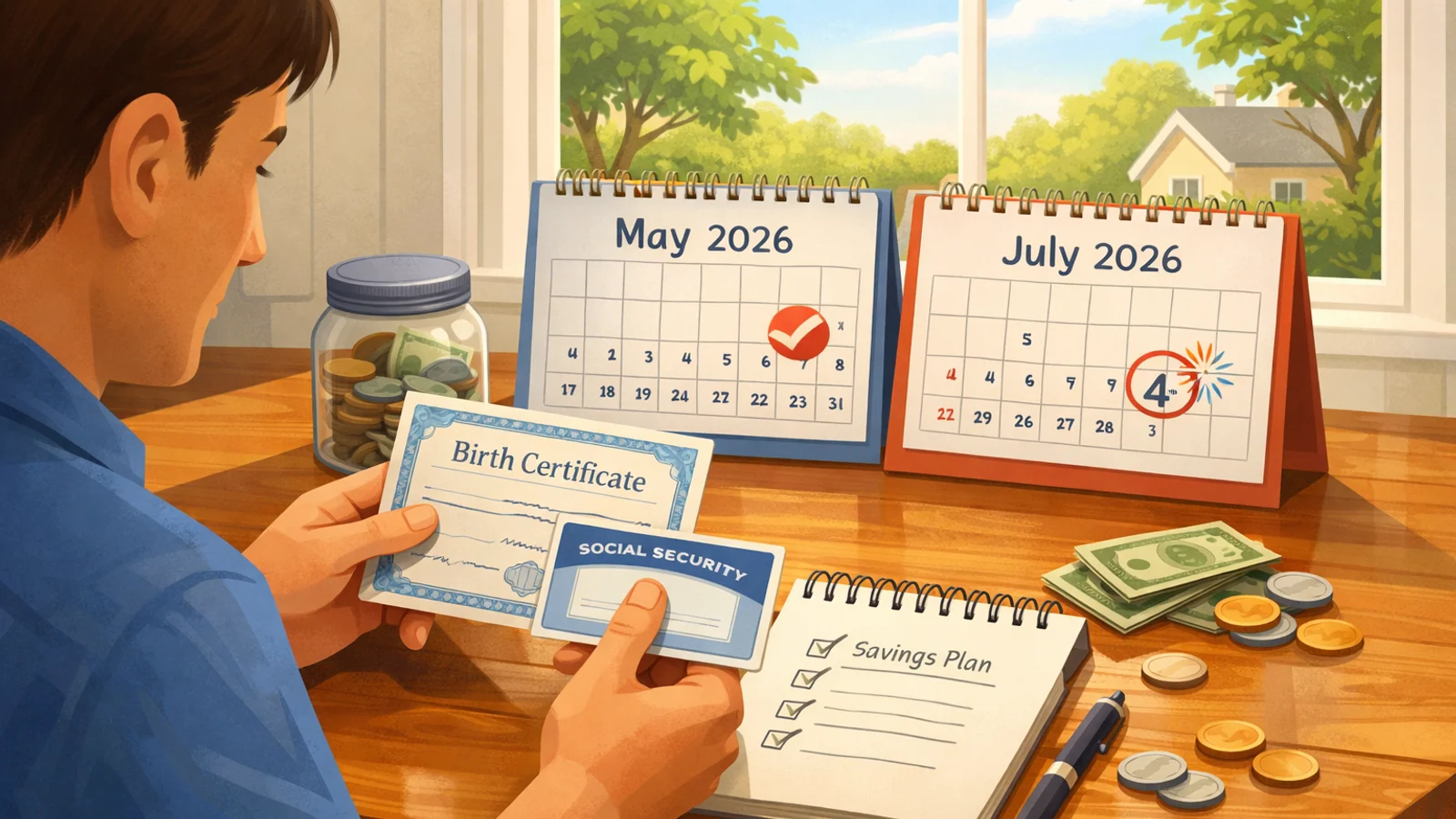
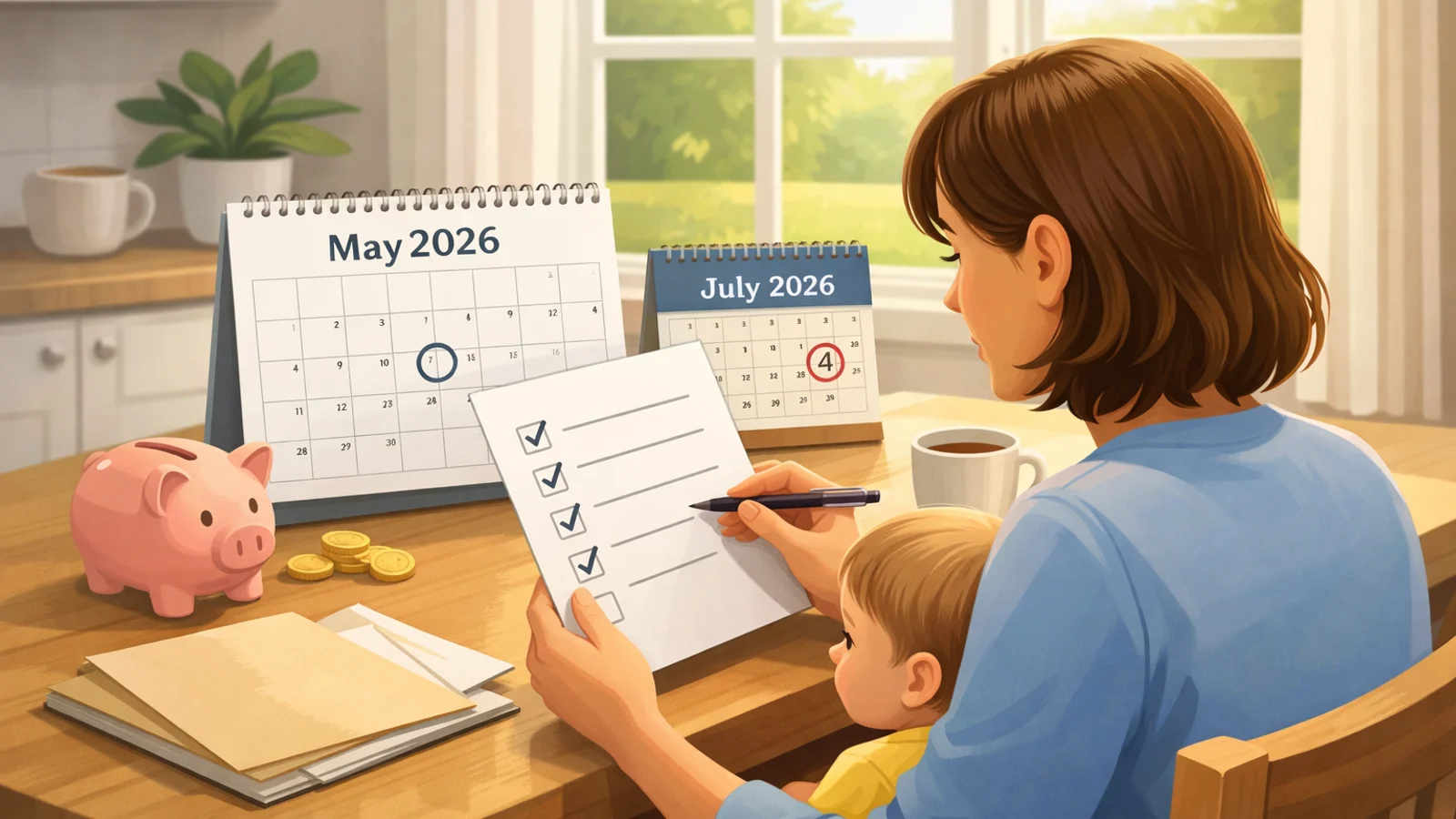
- Activation notices and election steps are expected around May 2026
- Private contributions are not accepted before July 4, 2026 (irs.gov)
That means many parents are in a waiting period right now. You may be able to prepare, but in most cases you still cannot fund the account yet. (irs.gov)
Which children appear eligible
Based on current IRS, Treasury, and White House materials, the one-time government contribution is for an eligible child who is a U.S. citizen with a valid Social Security number and is born from January 1, 2025 through December 31, 2028, if the required election is made. (whitehouse.gov)
For parents, the biggest date test is the child’s birth date. If your child was born before January 1, 2025, current public guidance does not describe that child as eligible for the government’s $1,000 pilot contribution. (irs.gov)
The questions parents are asking right now
1. “Can I open or fund the account today?”
Probably not in the way most families mean. Public IRS guidance says contributions cannot be made before July 4, 2026. Some election or account setup steps may happen earlier in 2026, but funding by parents, grandparents, or others starts on July 4, 2026, not before. (irs.gov)
2. “Do I need to do something to get the $1,000?”
Yes, likely. The IRS said the Treasury contribution is made for eligible children for whom elections have been made. In other words, parents should not assume the $1,000 will appear automatically without an election or related setup step. (irs.gov)
3. “Who can contribute once funding opens?”
Current guidance says contributions may come from parents or guardians, grandparents, other family members, friends, and employers. Treasury and White House materials also describe some charitable organizations and government entities as able to make certain additional contributions in specific circumstances. (whitehouse.gov)
4. “How much can go in each year?”
The public materials currently say the annual contribution limit is $5,000 per child, with later inflation adjustments after 2027. Treasury also says some qualified charitable or government contributions may be treated separately from that cap. (whitehouse.gov)
5. “How is the money invested?”
The current federal materials say these accounts are limited by law to broad U.S. equity index funds tracking the overall U.S. stock market, with restrictions against leverage and with low fee limits. That means families should expect a simple stock-index structure, not an open-ended menu of investments. (whitehouse.gov)
What parents can do between now and July 4, 2026
This is the useful planning window. A practical checklist:
-
Confirm your child’s eligibility basics
Check birth date, citizenship status, and Social Security number status against current IRS guidance. (irs.gov) -
Watch for the election process
The IRS has indicated that an election will matter for the government contribution, and an IRS form and online tool have been referenced in guidance. (irs.gov) -
Gather your documents early
Parents should expect to need identifying information for the child and parent or guardian, plus tax-filing details if the final process connects to a return or IRS tool. This is an inference from the IRS election guidance and draft form references, not a final checklist. (irs.gov) -
Decide on your first-year contribution plan now
Even if you wait to fund until July 4, 2026, you can already decide whether your family wants to contribute monthly, use birthday gifts, or ask relatives to help. The legal opening date is fixed, but your savings plan does not need to wait. (whitehouse.gov) -
Check whether an employer match may be available
Treasury has said some employers have announced matching approaches. That does not mean every employer offers one, but it does make payroll or benefits teams worth asking later in 2026. (home.treasury.gov)
A realistic way to talk about this at home
For many families, this is best treated as a long-term starter account, not a complete college, housing, or retirement solution by itself. The government’s one-time deposit may help, but the bigger driver over time will usually be whether the family adds money consistently after July 4, 2026 and leaves it invested for years. That conclusion is an inference based on the program structure and contribution limits described in current federal guidance. (whitehouse.gov)
What KidTrustFund readers should remember
If you are a parent of a child born in 2025, 2026, 2027, or 2028, this is the right moment to pay attention. As of March 18, 2026, the smart move is not rushing to fund an account that cannot yet accept contributions. The smart move is to verify eligibility, watch for the election process around May 2026, and prepare for contributions to open on July 4, 2026. (irs.gov)
KidTrustFund is an educational brand, not a government agency. Families should use official IRS and Treasury instructions for final setup details and consider professional advice for tax, legal, or investment questions. (irs.gov)