Parents have two big questions right now: Is my child eligible, and what should I do before July 4, 2026?
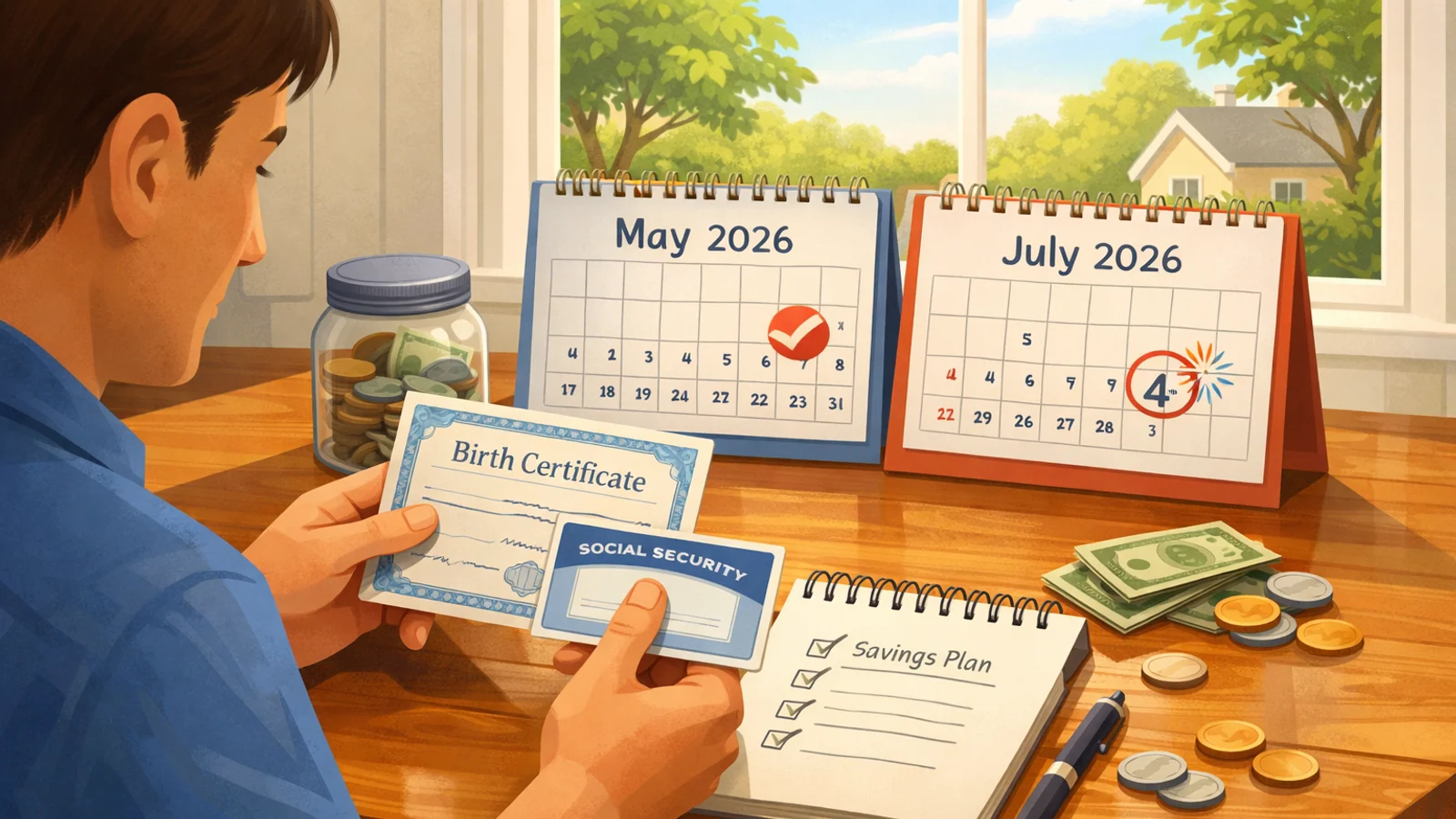
If you have heard about the new federally created child investment account program tied to children born in the 2025 to 2028 window, the short version is this: public guidance now points to activation notices beginning around May 2026 and contributions starting July 4, 2026. KidTrustFund is not a government agency, but it can help families organize details, track deadlines, and prepare for the rollout. (irs.gov)
What parents are asking right now
1) Does my child qualify?
Current IRS and related public guidance says the pilot-program seed contribution applies to eligible children born in calendar years 2025, 2026, 2027, or 2028, with the federal deposit described as $1,000 and made no earlier than July 4, 2026 once the required election and account steps are completed. (irs.gov)
2) Can I put money in now?
No. Public guidance consistently says contributions are not allowed before July 4, 2026. That means parents who are preparing now are mostly doing paperwork, identity checks, account setup steps, and decision-making in advance rather than making deposits today, March 19, 2026. (irs.gov)
3) When will families hear something official?
The clearest current timeline in public reporting is that the Treasury authentication or activation process is expected to start around May 2026, with the contribution window opening on July 4, 2026. Families should expect a staged rollout rather than everything happening at once. (irs.gov)
What changed recently
The most important recent development is that the IRS released proposed-regulation guidance and a newsroom summary explaining how the pilot program contribution is intended to work. That guidance says Treasury plans to make the one-time $1,000 contribution to eligible children’s accounts after the required election process, and it confirms the July 4, 2026 timing floor for those deposits. (irs.gov)
For parents, that matters because the conversation has shifted from “Is this real?” to “What do I need ready before activation begins?” That is the practical planning window families are in right now in March 2026. (irs.gov)
A simple parent checklist for March through July 2026
Before May 2026
- Confirm your child’s date of birth and basic identifying details.
- Make sure the parent or guardian who will handle the election has tax records and identity documents organized.
- Decide who in the household will watch for activation notices and complete follow-up steps.
- Keep expectations realistic: you are preparing for rollout, not funding yet. (irs.gov)
Around May 2026
- Watch for activation or authentication instructions.
- Complete any requested identity verification promptly.
- Save copies of confirmations, notices, and submitted information.
- If more than one adult may try to act for the child, coordinate early to avoid duplicate or conflicting steps. This is an inference based on public guidance that one election and activation path must be completed correctly for the child’s account. (irs.gov)
Starting July 4, 2026
- Verify the account is fully activated before attempting family contributions.
- Check contribution rules and caps before depositing money.
- Keep records of who contributes and when.
- Review the investment option and long-term plan instead of treating the account like a short-term savings bucket. Public descriptions characterize these as investment-style accounts, not plain cash accounts. (irs.gov)
KidTrustFund’s practical role
Many parents do not need another explainer. They need a clean way to keep dates, documents, and next steps in one place. That is where KidTrustFund fits: helping families track the May 2026 activation window, prepare for July 4, 2026 contribution availability, and avoid missing small but important setup details. KidTrustFund is a planning and organization tool for families, not an official government authority. (kidtrustfund.com)
The biggest mistakes to avoid
- Assuming money can go in before July 4, 2026. Current guidance says it cannot. (irs.gov)
- Waiting until summer to gather documents. Activation appears likely to begin around May 2026. (irs.gov)
- Treating headlines as final instructions. Media coverage is useful, but parents should expect details to keep developing as the rollout gets closer. This is especially true because the IRS release describes proposed regulations, which can be refined. (irs.gov)
- Expecting guarantees about growth or tax outcomes. Those depend on future rules, market performance, account choices, and your family’s circumstances. (irs.gov)
Bottom line for parents today
On March 19, 2026, the smartest move is not to rush money into anything. It is to get ready. The clearest public timeline still points to activation notices around May 2026 and contributions beginning July 4, 2026. If your child may qualify, use this spring to organize records, watch for official instructions, and set a simple family plan for what you will do once the account can actually be activated and funded. (irs.gov)