What parents should know right now about 2026 child account rollouts
Parents are asking the same practical questions right now: Is my child eligible? When do I need to act? What happens in May 2026? And can I contribute before July 4, 2026?
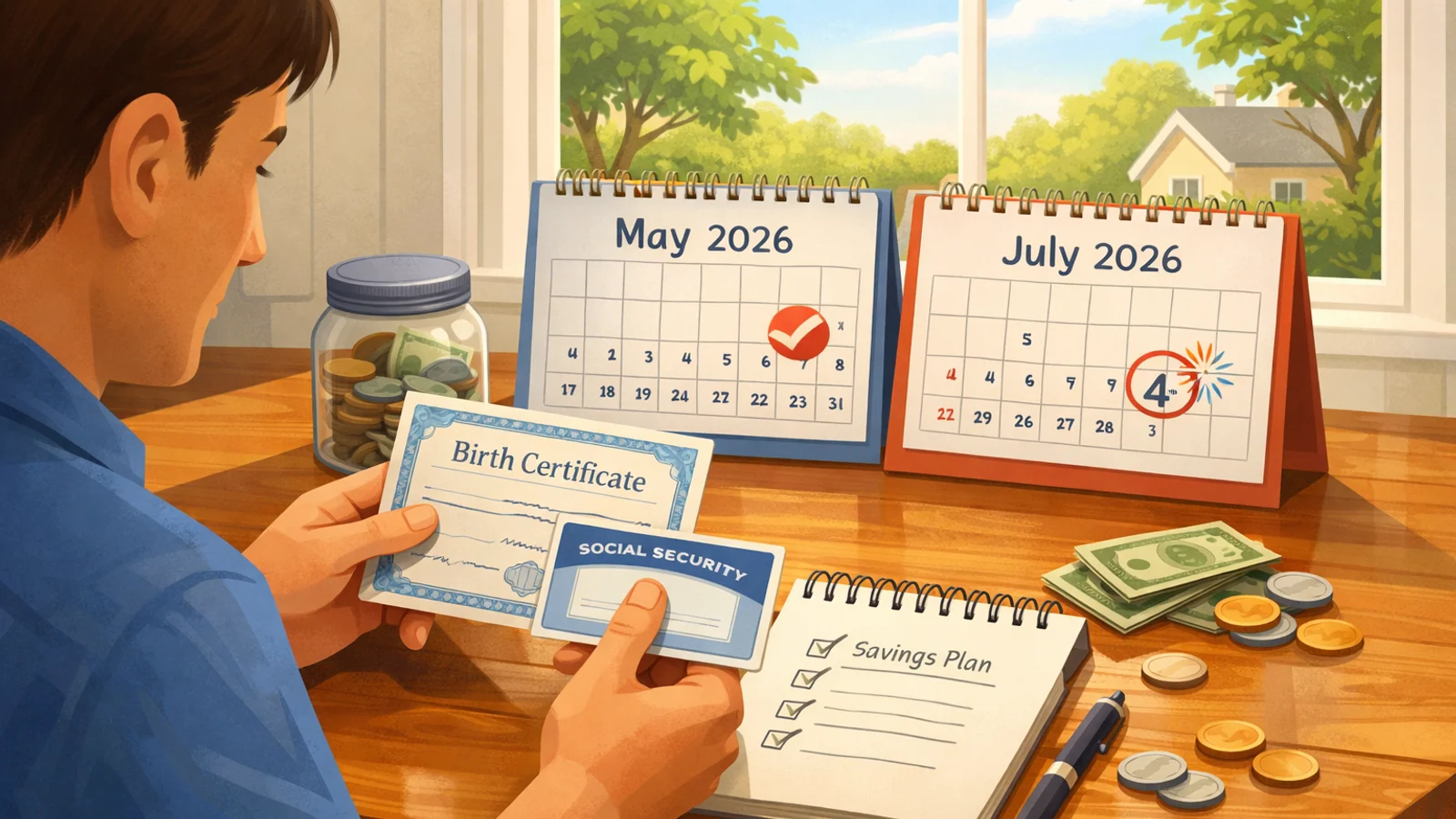
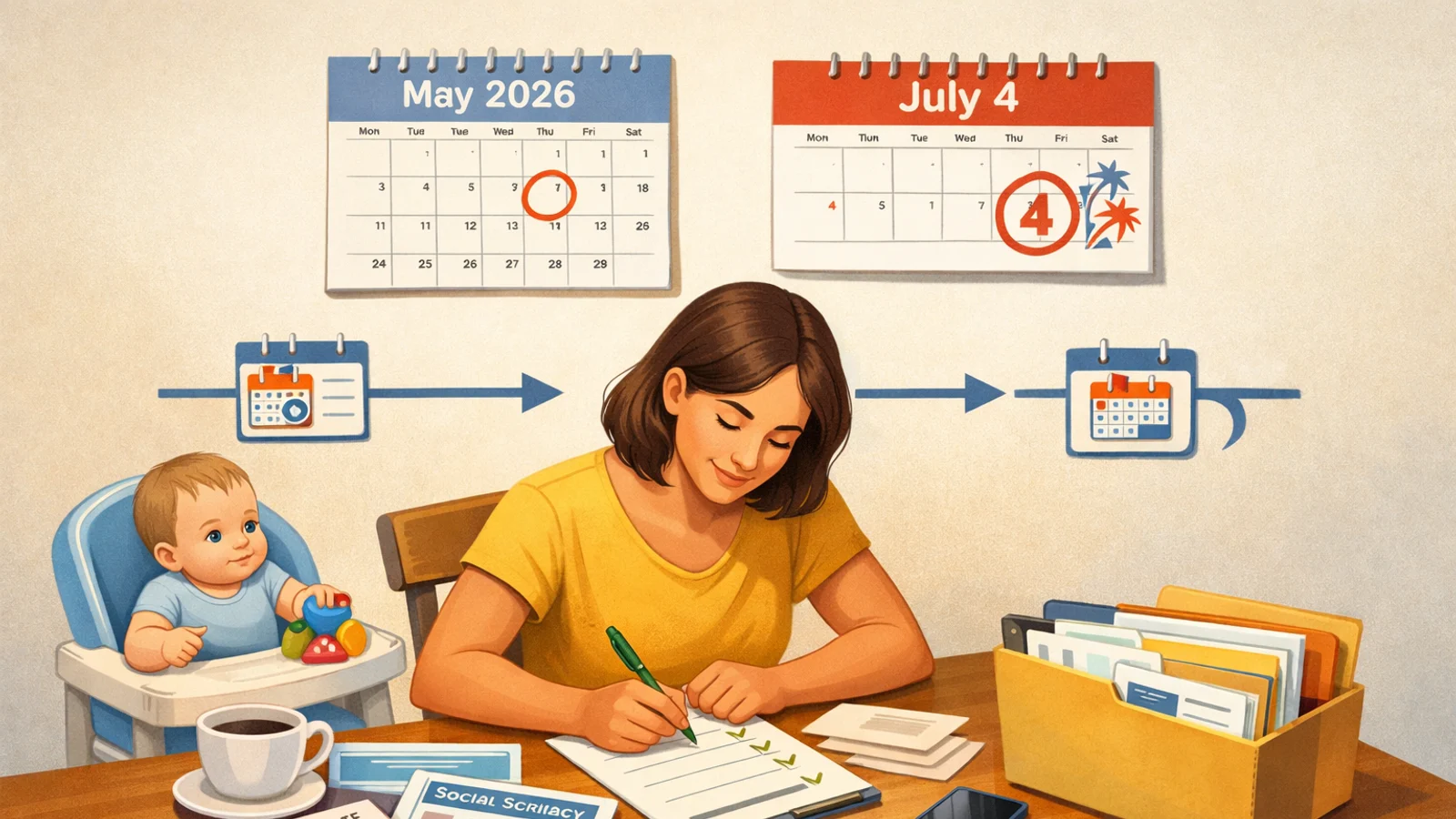
As of March 18, 2026, the public guidance is clearer than it was a few months ago. The basic timeline parents should keep in mind is:
- Now through tax filing season: families may be dealing with account setup paperwork and eligibility checks.
- Around May 2026: activation information is expected to start going out.
- July 4, 2026: contributions are scheduled to begin; before that date, contributions cannot be accepted. (irs.gov)
For KidTrustFund readers, the main takeaway is simple: this is a paperwork-and-planning window, not a funding window yet. If you are organizing documents for your child now, you are early in the right way.
The biggest questions parents are asking
1. "Do I need to do something now, or can I wait?"
If your family may be eligible for a 2026 child account program, waiting until summer could create unnecessary stress. Current IRS guidance says contributions cannot be made before July 4, 2026, but families may need to complete setup steps earlier so the account can be activated on time. Public reporting also indicates that parents who register should expect additional activation details in May 2026. (irs.gov)
A practical approach:
- confirm your child’s Social Security number records are accurate
- make sure the parent or guardian who will handle setup has current tax and identity documents
- watch for official activation instructions in May 2026
- do not assume money can be deposited early just because an account has been initiated (irs.gov)
2. "Can I put money in before July 4, 2026?"
No. The clearest current guidance says contributions cannot be made before July 4, 2026. That applies to early funding from parents and also to other contribution sources discussed publicly. (irs.gov)
That means March, April, May, and June 2026 are best used for:
- document gathering
- account activation follow-through
- deciding who will monitor the account
- building a contribution plan for after July 4, 2026
3. "Who may be eligible for the government seed contribution people keep talking about?"
According to IRS and White House materials currently available, the one-time federal contribution applies to certain eligible children, including children born from 2025 through 2028 who meet the citizenship and Social Security number requirements described in public guidance. Registration or account establishment is part of that process. (irs.gov)
Parents should be careful here: eligibility details matter, and headlines often simplify them. It is better to verify birth-year rules and identity requirements against the current official instructions than to rely on social posts or secondhand summaries.
What has changed recently
Compared with the earlier rumor-heavy stage, there are now several public points parents can plan around with more confidence:
- the IRS has issued guidance tied to these accounts
- official and media sources now point to May 2026 for activation follow-up
- July 4, 2026 is the concrete date repeatedly cited for the start of contributions
- employer and third-party contribution interest is becoming part of the public conversation, though families should still treat official program instructions as the deciding source. (irs.gov)
In plain English: the conversation is moving from "Is this real?" to "What do I need to have ready before summer?"
A simple parent checklist for March through July 2026
If you want a calm, practical plan, use this checklist:
By late March or April 2026
- identify which child or children in your household may qualify
- collect Social Security numbers and basic identity records
- review your 2025 tax filing process if account forms are involved
- create one folder, paper or digital, for all account-related documents
Around May 2026
- watch for activation notices or follow-up instructions
- complete any requested identity verification promptly
- save screenshots, letters, and confirmation emails
- note deadlines on a shared family calendar
Before July 4, 2026
- decide whether you want to contribute once contributions open
- set a starter amount your budget can handle
- talk with grandparents or other supporters only after you confirm the account is active and able to receive funds
Starting July 4, 2026
- confirm the account status before sending money
- document each contribution
- keep expectations realistic: opening an account is useful, but it is not a substitute for broader family saving habits. (irs.gov)
How KidTrustFund fits into this moment
KidTrustFund is not a government agency, and families should use official program instructions for final eligibility and activation rules. But this is exactly the kind of moment where a practical organizing system helps.
Parents usually do not need more hype. They need:
- a clear checklist
- date-specific reminders
- one place to store forms and confirmations
- a simple plan for what happens in May 2026 and again on July 4, 2026
That is the real opportunity right now. Not rushing to fund something early, but getting your household ready so you can move quickly when the official window opens.
Bottom line
If you are a parent trying to make sense of the 2026 rollout, focus on three dates:
- March 18, 2026: planning and paperwork matter now
- May 2026: expect activation-related follow-up
- July 4, 2026: contributions are scheduled to begin, and not before then. (irs.gov)
For most families, the smartest move is boring but effective: get organized, verify details, and avoid treating rumors like rules.