Parents are hearing a lot of overlapping terms right now: baby bonus, newborn benefits, and child investment accounts. For KidTrustFund families, the practical question is simpler: what is real today, what is still in rollout, and what should you do before summer 2026?
As of March 17, 2026, there is now public IRS and Treasury guidance for a federal child account rollout commonly referred to in official materials as Trump Accounts. The IRS said proposed regulations were issued on March 6, 2026, and that Treasury plans a one-time $1,000 pilot contribution for eligible children when the required election is made. The IRS also says parents may need to make that election during the tax year the child is born. (irs.gov)
KidTrustFund is not a government agency. It is a planning tool for families who want to organize gifting, investing intentions, and program readiness around their child’s future. The useful job right now is separating confirmed facts from assumptions. (kidtrustfund.com)
What is confirmed right now
Here are the points parents can treat as current public information as of March 17, 2026:
- Treasury and IRS have publicly described a pilot program contribution of $1,000 for eligible children. (irs.gov)
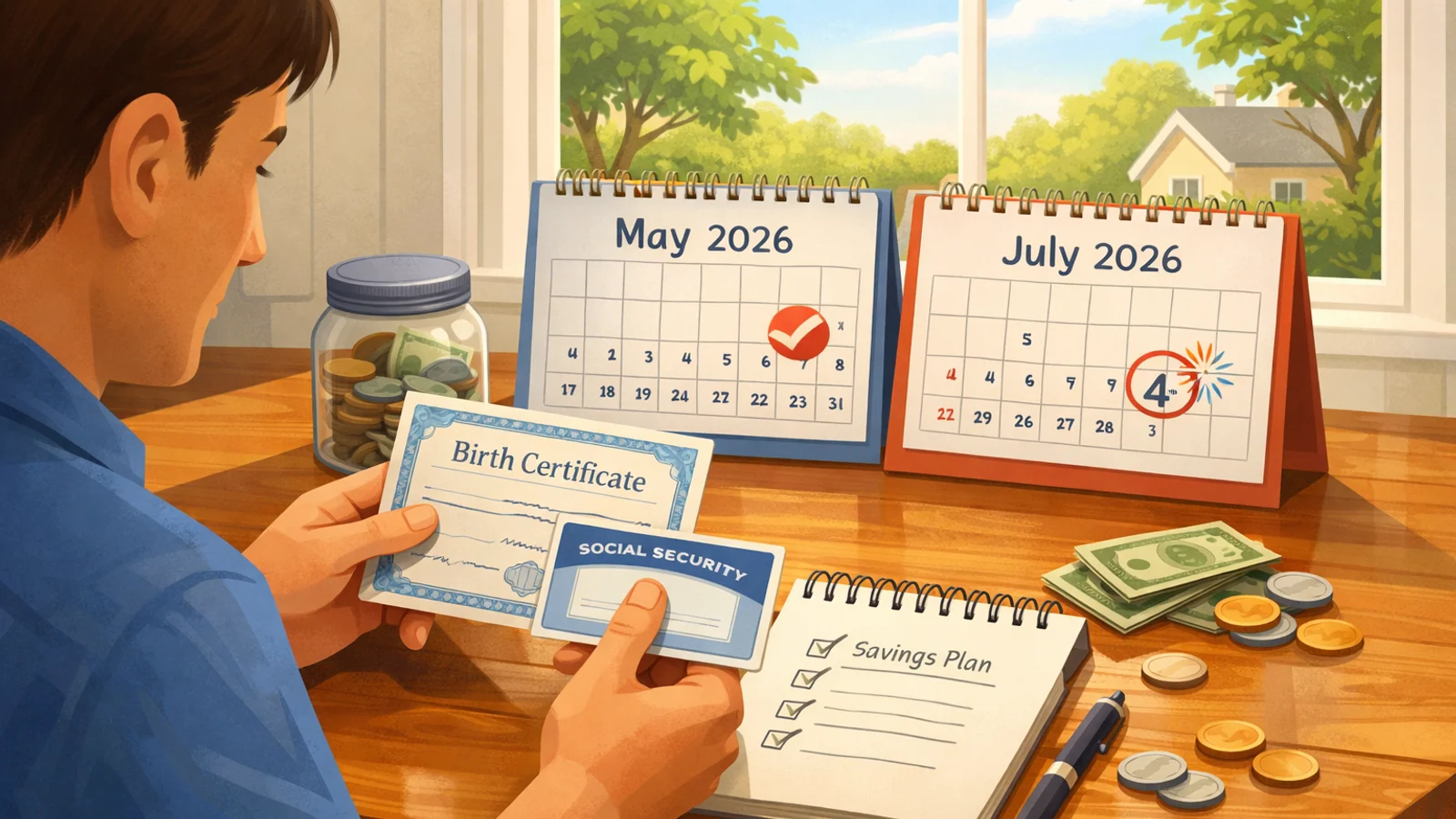
- The IRS bulletin says a pilot contribution will be deposited no earlier than July 4, 2026. (irs.gov)
- White House and Treasury materials describe these accounts as available for children born after December 31, 2024 and before January 1, 2029, if an account is established and other requirements are met. (whitehouse.gov)
- Public materials also describe family and employer contributions, with contributions to accounts accepted starting July 4, 2026. (whitehouse.gov)
- KidTrustFund’s own public guidance says families should expect activation notices around May 2026 and keep July 4, 2026 in view for contribution timing. (kidtrustfund.com)
That means the current parent workflow is not “wait and see.” It is better described as prepare now, confirm details when notices arrive, and be ready to act in May through July 2026. This timing is an inference based on the IRS bulletin and KidTrustFund’s public planning language. (irs.gov)
The biggest parent questions right now
1. Is this automatic?
Not fully, based on current IRS language. The IRS says Treasury will make the one-time contribution for eligible children for whom elections have been made. That suggests parents should not assume every eligible child will be enrolled without action. (irs.gov)
2. When does money actually start moving?
For public program deposits and general contributions, the date to watch is July 4, 2026. The IRS bulletin says pilot contributions are deposited no earlier than that date, and White House materials say contributions will be accepted starting then as well. (irs.gov)
3. What should families do before then?
Use the spring to get paperwork, account decisions, and family communication lined up. The official rollout appears to be moving from policy into implementation, not into immediate universal funding today. Treasury has also publicly said states and other partners are being engaged as implementation continues. (home.treasury.gov)
4. Is this the same as other child savings proposals?
No. Congress and policy researchers have discussed multiple child savings models over the last few years, including child savings accounts and 401Kids-style proposals. Those are useful context, but they are not the same thing as the currently public 2026 federal rollout materials. (congress.gov)
KidTrustFund vs. waiting for the government process
Many parents are deciding between two approaches:
Option A: Wait for official notices only
This keeps things simple, but it can create a last-minute scramble if you need to:
- confirm eligibility details
- make an election on time
- choose how family members will contribute
- gather documents after the baby arrives
Option B: Build a plan now
This is the more practical route for many families. A planning-first approach lets you:
- decide who will help fund the child’s future
- organize gift contributions from grandparents or friends
- prepare for possible elections or enrollment steps
- avoid missing a narrow rollout window
That is where KidTrustFund fits best: not as the source of official eligibility, but as the place to get your family logistics ready before official action is needed. (kidtrustfund.com)
A practical spring 2026 checklist for parents
If your child was born in 2025 or 2026, or you are expecting a baby in 2026, this is the checklist that matters most right now:
-
Save core records now
- birth records when available
- Social Security number records when available
- parent tax filing information
- address and contact information you actually monitor
-
Watch for activation timing around May 2026
- set a reminder for May 1, 2026
- check for IRS, Treasury, provider, or plan-related notices
- do not rely on social posts alone for instructions
-
Prepare for contributions beginning July 4, 2026
- decide whether parents, grandparents, or friends may contribute
- set a starter amount that is realistic, even if small
- think in recurring gifts, not one big perfect deposit
-
Keep expectations realistic
- rules can change in implementation
- proposed regulations are not the same as final guaranteed outcomes
- timelines can slip even when a public target date exists
-
Use one shared family message
- tell relatives what the plan is
- explain whether gifts should wait for the account launch or go into your broader child savings plan first
- avoid fragmented gifting across too many apps and accounts
These steps do not guarantee eligibility or program funding. They simply reduce chaos if the rollout proceeds on the currently published timeline. (irs.gov)
What changed recently that matters most
The biggest recent development is that this is no longer just a campaign-style concept or policy sketch. The key shift happened when the IRS announced proposed regulations on March 6, 2026 and connected those rules to the contribution pilot program. That gave parents something more concrete than broad political messaging: an agency statement, a proposed rule framework, and a public timing signal tied to July 4, 2026. (irs.gov)
For families, that changes the question from “Is this real?” to “What should we have ready before launch?” (irs.gov)
Bottom line for March 2026
If you are a parent planning around KidTrustFund today, the most sensible comparison is this:
- Waiting may feel easier now, but can create time pressure later.
- Planning early gives you a cleaner path if activation notices begin around May 2026 and contributions open on July 4, 2026.
The smartest move is to treat spring 2026 as your setup window. Get documents organized, decide how your family wants to help, and be ready to respond when official instructions become more specific.
KidTrustFund’s role is practical: help families organize the private side of the plan while staying ready for the public timeline that is now taking shape. (kidtrustfund.com)